Get Full Government Meeting Transcripts, Videos, & Alerts Forever!
Get email alerts on the Community Services topic
No spam. Unsubscribe anytime.
United Neighborhood Houses: Settlement houses serve 840,000 New Yorkers, 178,000 in the Bronx
Summary
United Neighborhood Houses (UNH) says its century-old network reaches about 840,000 New Yorkers each year, with roughly 178,000 served in the Bronx; leaders described core services, local variation across nine Bronx centers, and how programs have evolved to meet modern needs.
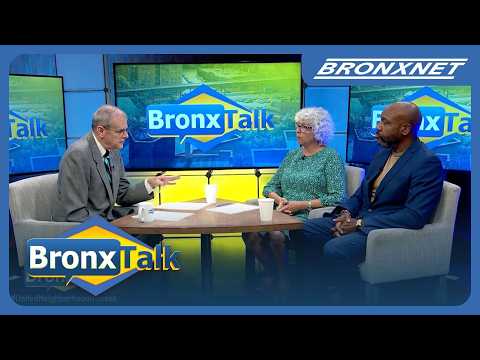
United Neighborhood Houses (UNH), a century-old membership network of independent settlement houses, told Bronx Talk that its member organizations reach roughly 840,000 New Yorkers annually and serve about 178,000 people in the Bronx.
"They teach English. They run classes for older adults, for children, after-school programs, workforce," UNH executive director Susan Stamler said, summarizing the network's core activities. She described UNH as "the front door of the neighborhood," a cooperative of independent 501(c)(3) organizations that share best practices and coordinate services.
Stamler said the settlements date back more than a century and that many of the approaches remain the same even as program content has changed. "If it wasn't a successful model, people wouldn't keep coming in," she said, noting that members come together to address complex problems — from food insecurity to immigration and affordability — that no single organization can solve alone.
The host, Gary, listed nine Bronx settlements discussed on the program, including Bronx House, BronxWorks, East Side House Settlement, Kingsbridge Heights Community Center, Marshall Montefiore Community Center, New Settlement, Riverdale Neighborhood House, Southeast Bronx Neighborhood Center and the Women's Housing and Economic Development Corporation (WHEDco).
Stamler said the network's member organizations operate a wide range of services — early childhood, senior programs, mental-health supports and youth programming — and that local sites tailor offerings to neighborhood needs while maintaining common pillars of service. She encouraged residents to "vote with their feet" and use their local settlement house when they need services.