Get Full Government Meeting Transcripts, Videos, & Alerts Forever!
Get email alerts on the Local Funding topic
No spam. Unsubscribe anytime.
Borough proposes sales-tax model, SRS safeguards to stabilize school funding
Summary
Borough staff proposed shifting to a sales tax–driven local contribution (20% transfer), reduced reliance on Secure Rural Schools, a holding fund to avoid breaching state caps, and a 25-year sustainability model that relies on conservative sales-tax growth and in-kind utility contributions.
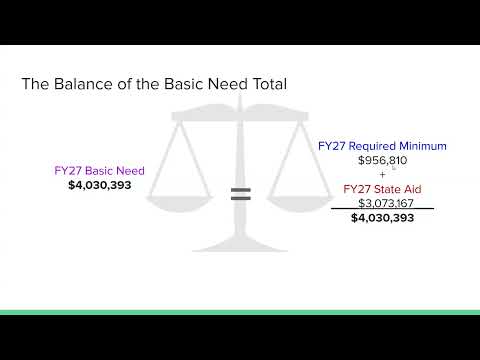
Mason, speaking for the borough, presented a plan to steady local school funding by prioritizing a sales tax transfer and limiting capital withdrawals from volatile Secure Rural Schools (SRS) receipts. He said the borough now restricts 20% of retail sales tax to a Wrangell Public School District local-contribution fund and keeps excess in a holding account "because if there's a 20% year... we wouldn't just pass that off to them and go over the cap," Mason said.
Mason described SRS as unreliable and cited a recent retroactive payment the borough received (about $858,000) while noting an eight-year average near $904,000. To protect long-term stability, he proposed an SRS fund-balance policy that would limit SRS outlays to debt service on GO bonds for school major maintenance and use residual SRS only for operations when appropriate. He also outlined a 25-year financial model that assumes 2.5% inflationary growth for sales tax and utilities and suggested using in-kind utility discounts (reduced wholesale power rate) as an additional tool to help reach the maximum allowable contribution each year.