Get Full Government Meeting Transcripts, Videos, & Alerts Forever!
Get email alerts on the Public Comment topic
No spam. Unsubscribe anytime.
Residents urge stronger tenant protections and city services; landlords warn of costs
Summary
A broad cross‑section of Santa Barbara residents, workers and property owners spoke during the public‑comment period, with tenants and advocates urging no exemptions and a full rental registry while landlords and property associations raised constitutional, privacy and cost concerns.
During the public comment period the council heard a wide range of testimony on homelessness, public‑safety concerns, ADA access and the proposed rent stabilization ordinance.
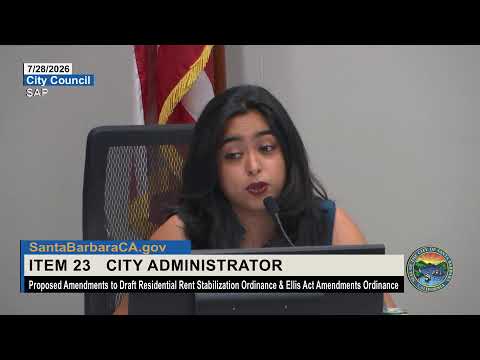
On homelessness and services, public speakers urged transparency on Measure C spending and stronger day‑center and bathroom access; one commenter requested an independent ADA coordinator after an event parking denial. On the proposed Rent Stabilization Ordinance, dozens of speakers backed comprehensive tenant protections and no additional exemptions beyond state law; other speakers representing small landlords and owner associations warned the proposed limits and registry could impose heavy costs and argued for targeted exemptions for small owners.
Representative comments included: "The transparency on Measure C matters — the public deserves clear metrics," a local service advocate said during the homelessness framework discussion. Tenant advocates in the rent‑stabilization hearing said repeatedly: "No exemptions — protect tenants." Small‑landlord speakers said the proposed cap and registry must be refined to avoid unconstitutional takings and privacy intrusions.
Councilmembers heard both perspectives and asked staff to return with legal and fee analyses to resolve technical questions about exemptions, registry scope and governance before introducing ordinance language for formal adoption.