Get Full Government Meeting Transcripts, Videos, & Alerts Forever!
Get email alerts on the Land Use topic
No spam. Unsubscribe anytime.
Council weighs new setback rules after two projects raise concern about parking and proximity to homes
Summary
Following two recent projects that met code but drew complaints, Dayton City Council and planning commissioners discussed tightening default setbacks (including a 20‑foot minimum for building and parking in some mixed‑use areas), requiring conditional use permits (CUPs) in targeted districts, and focusing rules on site improvements rather than building faces.
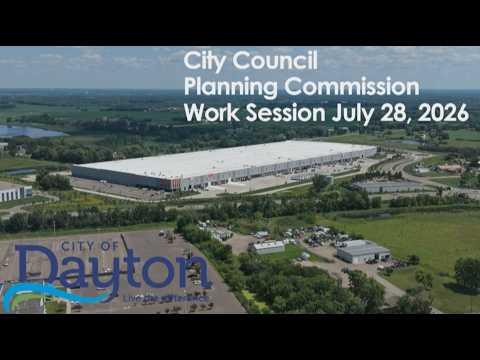
City staff opened a second agenda item asking "how close is too close to homes?" after two recent projects—the project adjacent to Dayton Mobile Home Park and an assisted‑living site—prompted resident concerns despite meeting existing code.
One council member said the real problem was not an overall building setback but where paved areas and truck parking landed: "It is the fact that that is trailer truck parking, which can be very industrially feeling, loud, whatever. That parking lot potentially was what was too close." Members said the code should distinguish between building faces and site improvements and prioritize setbacks for parking and asphalt where headlights and truck activity affect adjacent yards.
Policy options discussed included raising default setbacks so applicants must seek a variance to come closer; writing code for a "blank canvas" to handle new development; and using conditional use permits in mixed‑use districts so council and staff can impose conditions. One commissioner summarized the CUP option: "Require everything in that district to have a CUP." Several members suggested a 20‑foot default for both building and parking in at least some mixed‑use areas.
No ordinance or motion was introduced at the work session; staff said the feedback would guide code drafting. Council directed staff to prepare draft language and explained that variances would remain available for projects that can demonstrate justification.