Get Full Government Meeting Transcripts, Videos, & Alerts Forever!
Get email alerts on the Affordable Housing topic
No spam. Unsubscribe anytime.
Lansing council rejects ordinance to allow 4% "buy‑right" housing pilot on 4–4 vote
Summary
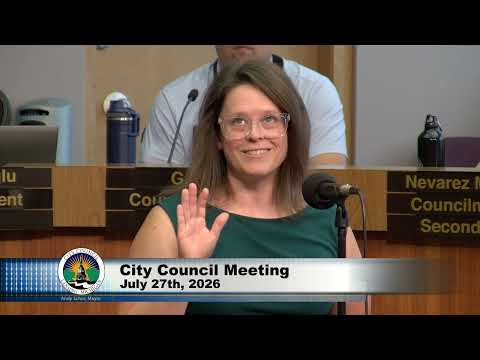
After extended public testimony and council debate about oversight, fiscal impacts and housing need, Lansing City Council voted 4–4 and declined to adopt an ordinance that would have authorized a 4% service‑charge pilot (in lieu of taxes) for eligible affordable housing projects for up to 18 years.
The Lansing City Council on July 27 declined to adopt an ordinance that would have authorized a 4% service‑charge (in lieu of property taxes) for certain affordable housing projects for up to 18 years, a measure advocates said would unlock state financing and opponents called an erosion of public oversight.
The ordinance, offered as an amendment to Chapter 8.86, drew more than an hour of council questioning and more than a dozen public speakers. Proponents such as Ryan Brand, director of real estate development at Capital Area Housing Partnership, said the 4% pilot is "a critical path" for projects that rely on Low Income Housing Tax Credits and other layers of financing. "This 4% pilot allows us to do our job better and serve those folks in the community," Brand said during public comment.
Opponents, including longtime tenant advocate Jody Washington, said a by‑right 4% designation removes opportunities for public scrutiny and shifts costs onto existing residents. "This is bad for the citizens of this city... We cannot afford to continue down this trajectory," Washington testified, citing inspections and maintenance problems she has seen in low‑income units.
Council members pressed the city attorney and staff on how the 4% level and an 18‑year term were chosen, possible impacts on school and county tax revenues and whether the change would remove or reduce council and public review. City Attorney (speaking during the debate) and Council Member Navarez Martinez said the change reflects statutory authority under the Michigan statute referenced in the discussion and that MSHDA (state housing authority) scoring can make a lower local pilot more competitive for LIHTC awards; the attorney noted that MSHDA still reviews and approves pilots.
After debate, the clerk called the roll. The final tally was four votes in favor and four opposed, and the ordinance failed to pass. Councilmembers who voted yes and no were recorded in the clerk's roll call. The council had earlier repealed an outdated Chapter 8.86 by unanimous vote, but the new 4% replacement ordinance did not advance.
Councilmembers who spoke against the buy‑right approach said they were not opposed to addressing affordable housing but were unconvinced this ordinance provided adequate financial analysis, geographic protections against concentrated poverty, or continuing public oversight. Supporters argued the city is in a housing crisis and needs predictable tools to attract state funding and private investment.
The council set several related hearings and referrals earlier in the meeting; some housing advocates said they will return at committee hearings for further review and potential revision of the proposal.
The council did not set a new date to revisit the 4% buy‑right language during the meeting.