Get Full Government Meeting Transcripts, Videos, & Alerts Forever!
Get email alerts on the Budget topic
No spam. Unsubscribe anytime.
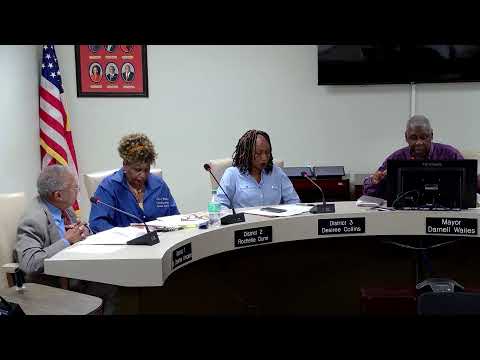
Baker council approves 10‑mill ad valorem tax to fund fire department salaries and a third engine
Summary
After a public hearing, the City of Baker adopted an ordinance to levy a 10‑mill ad valorem tax from 2027 through 2036 to pay for third‑engine personnel and raise salaries/benefits for municipal fire department employees.
Following an attorney explanation and a public hearing, the City of Baker voted to adopt an ordinance directing the levy and collection of an ad valorem tax of 10 mills on the dollar of assessed valuation for a ten‑year period (2027–2036).
The city attorney explained the ordinance is a procedural step required after voter approval; the tax proceeds will provide funding for salaries for third‑engine personnel and to increase salaries and benefits for fire department employees who are members of the municipal fire and police civil service system. "This is an ordinance directing the levy and collection of an ad valorem tax of 10 mills... for a period of 10 years, beginning with the year 2027 and ending with the year 2036," the attorney said as she read the text into the record.
A council member moved to adopt the ordinance and the council conducted a roll‑call by district. The minutes record Districts 1–5 as voting 'yes'; the presiding officer declared the motion carried. The council directed the adopted ordinance be provided to the assessor’s office so the levy may be implemented administratively in accordance with state law.
The ordinance was described repeatedly as a funding mechanism for personnel and benefits; council members emphasized coordination with state processes for collection and with voters’ earlier approval of the underlying measure.