Get Full Government Meeting Transcripts, Videos, & Alerts Forever!
Get email alerts on the Historic Preservation Overview topic
No spam. Unsubscribe anytime.
City, consultants gather public input on Asbury Park historic preservation update
Summary
City staff and preservation consultants led a public input session to update Asbury Parks 2017 historic preservation element, collect resident priorities (diversity, music, neighborhood stories) and explain limits and next steps for local protections.
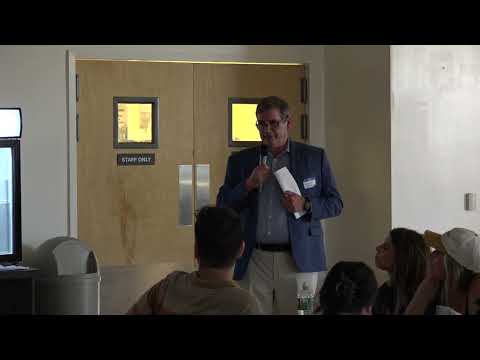
Michelle Wanzo, the citys director of planning and redevelopment, opened the master plan steering-committee input meeting and turned the session over to the consultant team to gather public feedback on the citys historic preservation element.
"I'm the director of planning and redevelopment for the city," Wanzo said as she welcomed the room and introduced participating elected officials and steering-committee members. Brian Knight of Harkin Archaeological Associates, who is assisting BRS on the project, said the team is updating the 2017 plan to reflect new construction, rehabilitation and a growing focus on cultural heritage and resilience.
The consultants asked participants to use a QR code, paper forms or index cards to answer live poll questions about what places and stories matter most. Responses emphasized people and culture as much as architecture: a real-time word cloud showed "diversity," "music," "art," "community" and "history" among the top terms.
Why it matters: the preservation element will inform zoning and regulatory decisions that guide future development, identify sites and stories that may need protection, and recommend tools the city can use to preserve both buildings and underrepresented cultural histories.
What happens next: staff and consultants will publish slides and poll results on the project website, run additional outreach after the summer break and post a survey for broader public input. Wanzo said the consultant team will prepare documentation needed to nominate potential historic resources and that implementation tools (including local ordinances) would follow later in the process.