Get Full Government Meeting Transcripts, Videos, & Alerts Forever!
Get email alerts on the Housing topic
No spam. Unsubscribe anytime.
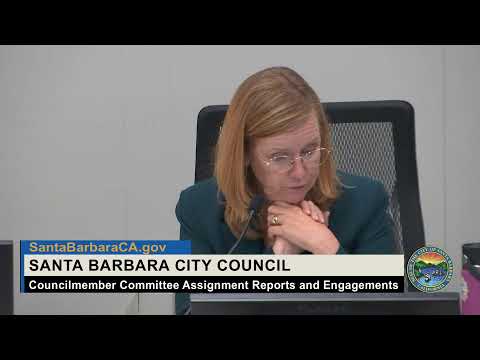
Council gives staff detailed direction on draft rent stabilization ordinance after 655 public comments
Summary
City staff summarized 655 public comments on June drafts of a rent stabilization ordinance (RSO) and council provided granular direction to finalize the RSO first, then follow with just‑cause/Ellis Act amendments; council asked staff to refine exemptions, rental registry design, governance and capital‑improvement rules and to deliver an independent fee study.
City staff summarized public input and asked the council to resolve outstanding design choices for a proposed rent stabilization ordinance and accompanying Ellis Act/just‑cause amendments.
"The community has been heard," Barbara Anderson, senior assistant to the city administrator, said, noting that the city received 655 written comments during the public review period and that feedback clustered around exemptions, registry scope, governance and how capital improvement pass‑throughs would work. "Our goal tonight is to close out the open questions so that we can return to council to introduce the refined rent stabilization ordinance," Anderson told the council.
Councilers worked through a staff matrix item by item in a hybrid straw‑vote process. Staff and council agreed to prioritize adopting the RSO first (with an effective implementation target of Jan. 1, 2027) and to complete an independent fee study (estimated $35,000–$50,000) to set registration fees and startup costs. On exemptions, council directed staff to prepare a draft that does not add broad local exemptions beyond state law but allowed a limited path for staff to draft specific language to exempt government‑owned/operated affordable housing (including housing authority properties) if needed; council asked staff to return with analysis about deed‑restricted affordable housing and the interaction with existing affordability covenants and federal funding rules.
Council also approved staff direction to design a rental registry (phased implementation was discussed), create a hybrid governance model with city staff administering day‑to‑day operations and a rent board providing oversight and appeals, and to further define capital improvement petitions, tenant safety/capital improvement plans and a fair‑return petition process. Staff will return with a revised ordinance for formal introduction and a fee study to set per‑unit registration fees and program staffing needs.