Get Full Government Meeting Transcripts, Videos, & Alerts Forever!
Get email alerts on the Criminal Justice topic
No spam. Unsubscribe anytime.
County considers moving court-ordered testing to coroner's office amid staffing and cost concerns
Summary
Sheridan County discussed shifting court-ordered random drug and alcohol testing from the justice office to the coroner's office because of staffing losses and the need to ensure timely testing for families and courts. The justice office estimated roughly 35 tests per week and reported a fee increase to $30 per urine analysis.
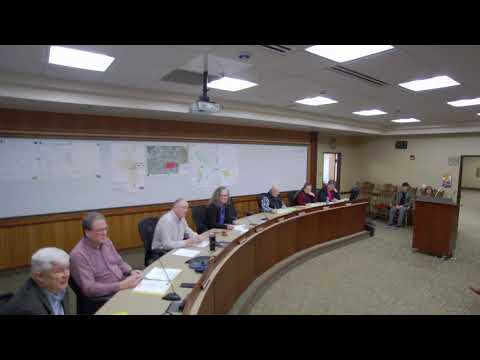
A commissioner raised the possibility of moving court-ordered drug and alcohol testing from juvenile justice to the coroner's office after the justice program's staffing had declined and the court was having trouble securing on-call testing. The commissioner said he had contacted the coroner and "he is interested," and asked the county commission to weigh in before any operational changes.
Dan Lendly, administrator of the justice office, gave a detailed account of the program's scope and constraints. He said the program serves three categories (juvenile participants, adult treatment court participants, and court-ordered random testing), and estimated the testing caseload as "anywhere from 50 to 90 individuals at a time" with roughly "maybe 35 tests we're doing a week or so." Lendly said the office historically subsidized costs but raised the per-urinalysis fee from $15 to $30 at the start of the year because the county could no longer absorb the expense. He urged that, if testing shifts to another office, the county establish an MOU with the courts and county attorney to define expectations and processes.
Commissioners and others asked about training, confidentiality (especially when testing could occur near decedents in the coroner's office), staff safety during testing, and how costs would be handled. A law-enforcement participant urged care because participants can be noncompliant. Commissioners asked staff to explore a gradual transition, draft necessary MOUs, and return to the board for formal consideration; no formal action was taken at the meeting.