Get Full Government Meeting Transcripts, Videos, & Alerts Forever!
Get email alerts on the Self Disclosures topic
No spam. Unsubscribe anytime.
Texas Forensic Science Commission reviews dozens of self‑disclosures, opens multiple investigations
Summary
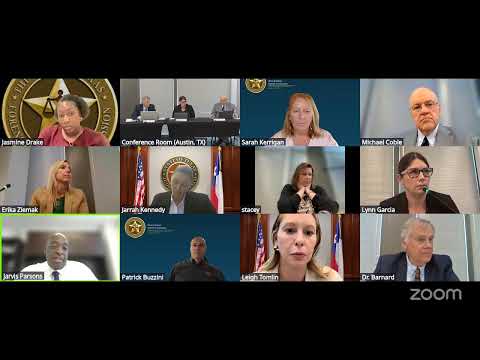
At its July 31 meeting the Texas Forensic Science Commission reviewed more than 20 self‑disclosures and complaints, voting to accept staff investigations of several matters, table others for further review, and to take no further action in many cases after corrective steps were reported.
The Texas Forensic Science Commission met July 31 in Austin and processed a long docket of self‑disclosures and complaints from laboratories across the state, authorizing staff investigations in several cases and accepting corrective actions in others.
Staff presented a clustered set of quality incidents and evidence‑handling disclosures (items 26.01–26.48). For several items—including a Center for Human Identification reagent‑blank incident and a Corpus Christi firearms‑unit case review—commissioners voted to accept staff investigations under provisions of the Texas Administrative Code. “The staff does recommend tabling the self disclosure pending the completion of this Texas specific case review,” a presenter said while describing a retroactive review of 328 cases tied to a vendor review. The commission moved and approved the recommendation to table that item.
Commissioners also heard numerous cases where laboratories documented corrective actions and stakeholder notifications and where staff recommended no further action; those recommendations were accepted in voice votes. The docket included grouped reports of missing or damaged evidence (Harris County sprinkler activation, a Weslaco freezer alarm, a small missing projectile fragment in a DPS Lubbock submission), procedural lapses in seized‑drugs workflows, and instances where analysts failed to document work. In each instance staff summarized root‑cause reviews and remediation plans before moving that no further commission action was necessary.
Why it matters: the commission’s votes determine whether staff will open formal investigations, issue public reports, or recommend disciplinary steps for licensees. Several of the matters approved for investigation will require follow‑up reporting to the commission and may result in further administrative action depending on the investigators’ findings and any responses from affected laboratories.