Get Full Government Meeting Transcripts, Videos, & Alerts Forever!
Get email alerts on the Enforcement topic
No spam. Unsubscribe anytime.
Enforcement, compliance officers and appeals: practical steps explained
Summary
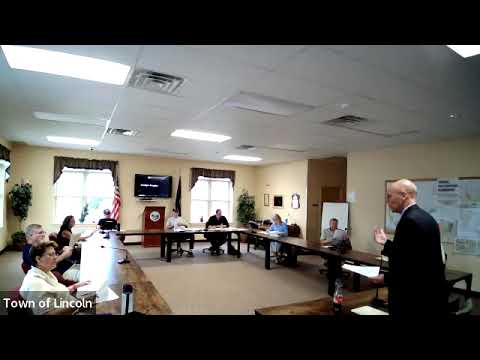
The presenter outlined the typical enforcement sequence: compliance officer notices, letters and administrative enforcement orders, administrative appeals to the ZBA, and, if necessary, superior‑court actions — and noted the practical cost and time tradeoffs of litigation for towns.
Board members described local frustration with long enforcement timelines and disputed remedial actions relating to recent development. Johnston summarized a typical escalation path: informal contact and education, a compliance officer's notice, stronger written notices or cease‑and‑desist orders, administrative enforcement orders, and appeals to the ZBA or superior court if compliance is not achieved.
Johnston warned that pursuing superior‑court enforcement is costly and time‑consuming: "Bringing an action at Superior Court is something you try to avoid... it costs money and it takes time," he said, and recommended exhausting administrative remedies first. He also explained that in many towns the select board and the code‑enforcement officer handle enforcement, and boards should avoid substituting themselves for those executive roles.
Practical takeaway: keep records of complaints and enforcement correspondence in the project file, coordinate with the compliance officer and select board, and consult town counsel before initiating costly court proceedings.