Get Full Government Meeting Transcripts, Videos, & Alerts Forever!
Get email alerts on the Board Training topic
No spam. Unsubscribe anytime.
Former NHMA staffer leads training on boards’ roles, hearings and enforcement in Lincoln
Summary
At a special training session in Lincoln, presenter Cordell Johnston reviewed the different authorities of planning boards and zoning boards, how state RSAs affect local ordinances (including recent parking rules), and practical guidance on hearings, enforcement and record-keeping.
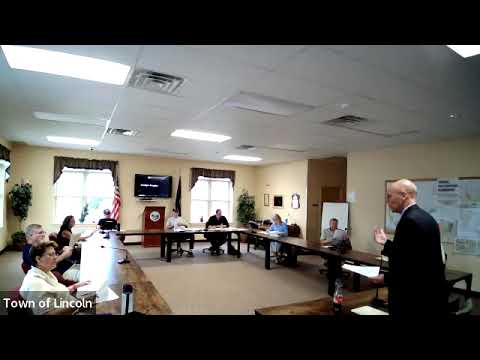
Cordell Johnston, a municipal attorney and former long‑time staffer at the New Hampshire Municipal Association (NHMA), led a training session for Lincoln planning and zoning board members focused on what each local board can — and cannot — do.
Johnston opened by explaining the basic sequence for towns that adopt planning and zoning: "The first thing that has to be done if they're gonna do it is establish a planning board," he said, and noted the planning board typically prepares a master plan that should be updated every five to 10 years. He emphasized the planning board’s legislative role when proposing ordinances and the zoning board of adjustment’s quasi‑judicial role when deciding appeals and variances.
Why it matters: Johnston told members that state statutes can limit local ordinance choices — for example recent changes have constrained parking requirements and rules on accessory dwelling units — and urged board members to monitor NHMA bulletins and communicate with state representatives when local authority is affected. "When you hear about that, it's good to keep up with what they're doing because you may need to adopt changes to your ordinances to comply with the state law," he said.
The session also covered procedural matters: adoption and amendment of site‑plan and subdivision regulations (adopted by planning boards, not town meeting), public‑hearing timing, and record keeping for letters and emails. Johnston advised keeping submitted correspondence in the project file and making it available to board members and the public rather than reading every letter aloud at hearings.
The training closed with a brief Q&A about enforcement, budgeting and staff supervision. Johnston encouraged attendees to consult NHMA legal services for general RSA questions and to follow up with local town counsel for case‑specific issues.