Get Full Government Meeting Transcripts, Videos, & Alerts Forever!
Get email alerts on the Fair Housing topic
No spam. Unsubscribe anytime.
Councilor Culpepper opens fair-housing hearing, cites tests showing widespread voucher and race discrimination
Summary
Councilor Culpepper opened a hearing order on fair housing, citing a Suffolk University Law School/Boston Foundation testing program that reported voucher-based discrimination in 86% of tests and race-based discrimination in 71% of tests; the docket will be referred to the civil-rights committee for further review.
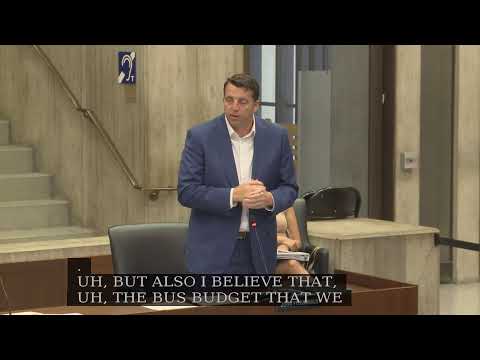
Councilor Culpepper opened a hearing order on fair housing at the Boston City Council, saying "Fair housing is a civil rights issue, and every resident should have an equal opportunity to access safe, stable housing" and urging the council to examine whether enforcement tools are sufficient.
Culpepper cited a testing program by Suffolk University Law School and the Boston Foundation that he said found "evidence of voucher based discrimination in 86% of tests and race based discrimination in 71% of tests," and asked the council to consider steps to strengthen education, testing and enforcement and to improve coordination with state and local partners. The hearing order was presented as an opportunity to assess whether lawful voucher-holders and protected classes are being denied access "because of who they are or how they pay their rent."
The clerk noted docket 1339 would be referred to the Committee on Civil Rights, Racial Equity, and Immigrant Advancement for follow-up. Councilors Worrell and others added that the city's 2016 Affirmatively Furthering Fair Housing assessment outlines steps to rectify discriminatory outcomes and that the council should move from statements of principle to concrete policy action.
Next steps: the council referred the matter to the civil-rights committee for hearings and staff follow-up; no final vote or enforcement action was taken at the meeting.