Get Full Government Meeting Transcripts, Videos, & Alerts Forever!
Get email alerts on the Public Safety topic
No spam. Unsubscribe anytime.
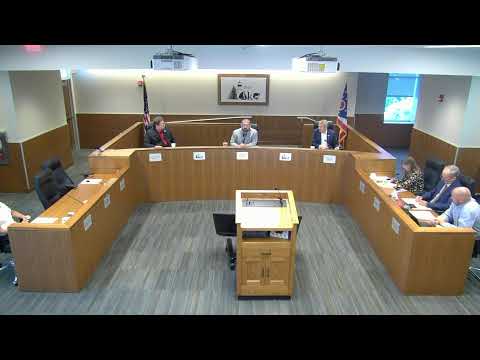
Commissioners debate Route 2 maintenance deal and safety trade-offs of NextGen 9-1-1 dispatch
Summary
Lake County commissioners pressed for a clarified maintenance agreement for State Route 2 and spent extended time debating NextGen 9-1-1's impact on local dispatching, with officials saying central dispatch saves money and warning of staffing risks if municipalities keep separate centers.
Lake County commissioners described a proposed maintenance agreement for State Route 2 that they say clarifies service scope and funding responsibilities for municipalities and the county. The commissioner's office said the draft broadens definitions and aims to make costs equitable; the board moved the matter toward committee review with municipal representatives to work through remaining concerns.
The meeting shifted into a sustained debate over how NextGen 9-1-1 will change dispatch operations. The Chair warned that "When next gen 9 1 1 goes into place, the cell phone calls ... go to the county central dispatch," saying municipalities that insist on local dispatch will see call volumes rise and risk being ‘‘inundated’’ if staffing is not increased. A fellow commissioner described the central approach as an economies-of-scale safety improvement, saying the county partnership had saved his city "over a $100,000" and improved response times compared with a local-only system. Commissioners also said they had heard concerns from municipal leaders and the sheriff's office and pledged to reexamine parts of the NextGen plan before the statewide implementation date.
Why it matters: NextGen 9-1-1 is a state-driven transition that will require counties and municipalities to accept multimedia emergency calls and change routing. Commissioners framed this as a safety and resource issue: centralized dispatch can deliver shared technology and staffing, but local governments fear loss of local control and added staffing burdens if they keep separate centers. The board agreed to further study the operational and staffing implications and to form a working group with impacted municipalities and public-safety leaders.
Key quote: Chair said, "When next gen 9 1 1 goes into place, the cell phone calls ... go to the county central dispatch."