Get Full Government Meeting Transcripts, Videos, & Alerts Forever!
Get email alerts on the Inspections Software topic
No spam. Unsubscribe anytime.
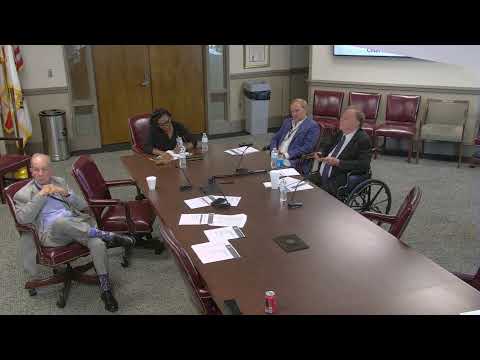
Tuscaloosa City Council approves agreement to use inspection-management software
Summary
The council approved a no-cost agreement to adopt a contractor-funded inspection-management platform (Glide/Brycer) for the fire marshal's office to track inspections and compliance; members pressed officials about fees and who ultimately bears costs.
Tuscaloosa City Council voted to authorize the fire marshal’s office to enter a no-cost agreement with a vendor offering a web-based inspections-management platform intended to improve tracking of required inspections and notifications.
Fire Marshal Patrick Spines told the council the management software would help the office “out tracking” compliance and required inspections and give inspectors real-time visibility into contractor submittals and deficiency reports. He said the tool is intended to increase operational efficiency and follow-up by the fire marshal’s staff.
Staff said there are roughly 4,000 fire-protection systems in the city’s jurisdiction and that the office averages about 3,800 annual inspections and roughly 800 reinspections each year. An agency official described the platform as a way to see when contractors submit reports so staff can “follow-up” more effectively.
Council members asked how the vendor is paid and whether the charge would be shifted to property owners. Officials said the company’s model charges contractors per submittal and that the fee was clarified in discussion as $27 per submittal. A council member noted that if the volume is high, the vendor’s charges could translate into roughly $100,000 in annual fees across the jurisdiction, which could be passed along to building owners via contractors’ pricing.
After discussion and questions about alternatives and who ultimately bears costs, a council member moved to approve the authorization, a second was recorded and the motion passed by voice vote.
The council’s approval authorizes the fire marshal’s office to proceed with the vendor agreement; the contract was described in the meeting as a no-cost agreement to the city because the vendor’s fees are paid by contractors.