Get Full Government Meeting Transcripts, Videos, & Alerts Forever!
Get email alerts on the Land Use Conditional Use topic
No spam. Unsubscribe anytime.
Applicant wins conditional use for fitness studio at The Mill after neighbor raises noise and load concerns
Summary
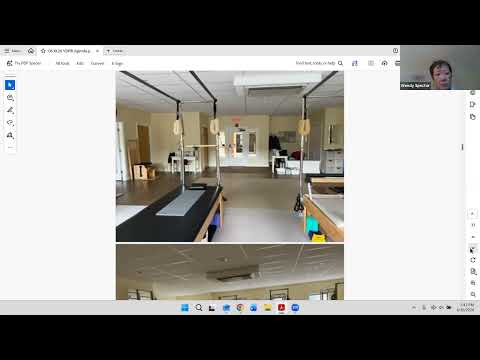
The board approved a conditional-use permit for a physical fitness facility at The Mill (Unit 2G). A downstairs unit owner, Suzanne Gelding, testified the second-floor live-load and vibration from exercise classes have made her commercial space unusable and cited an Act 250 permit; the board said some complaints fall outside zoning authority.
The Woodstock hearing board approved a conditional-use permit for a physical fitness facility at The Mill, Unit 2G, after public testimony and discussion.
Dina Bush, introduced by the chair as the applicant, told the board she had followed staff direction and that the space is already set up for fitness activities. Neighbor and commercial unit owner Suzanne Gelding told the board she owns the unit below the proposed studio and raised three specific concerns: the building’s Act 250 land-use permit language that she said requires approval for use changes (permit cited as “3W0379-2”), the second-floor design live-load of 60 pounds per square foot versus higher loads commonly used for exercise spaces, and sustained vibration and noise that she said makes her unit unusable. “I have terrible noise interference … I literally can follow the conversations upstairs,” Gelding said, adding her lights have shaken and she cannot work in the space.
Board members agreed they lacked authority to enforce Act 250 permit terms or the condominium association’s internal rules. The chair noted, “We have no control over Act 250 permit compliance,” and advised Gelding that remedies for permit violations lie through the Act 250 process or condominium governance, not the zoning hearing. Several board members also said interior building-impact complaints are primarily a condo-management or state permit issue rather than a zoning exterior-impact decision. The board nonetheless closed testimony and moved to accept the application as submitted; the motion passed and the conditional-use permit was approved.
The board recorded the applicant’s submission and exhibits for the record and advised the neighbor of separate remedies. The decision did not alter or resolve the condominium-declaration or Act 250 questions raised during testimony.