Get Full Government Meeting Transcripts, Videos, & Alerts Forever!
Get email alerts on the Waterfront Planning topic
No spam. Unsubscribe anytime.
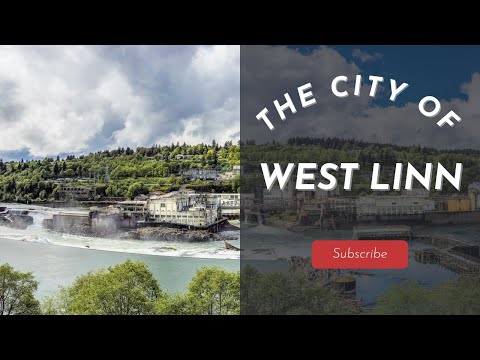
West Linn council adopts waterfront vision plan with wetland protections added
Summary
After a decade-long process, the West Linn City Council unanimously adopted the West Linn Waterfront Vision Plan on Nov. 18, 2025, adding a text box emphasizing 'natural resource preservation and rehabilitation' and reverting a contested parcel’s map coloring to reflect environmental habitat.
The West Linn City Council unanimously adopted the West Linn Waterfront Vision Plan as amended on Nov. 18, approving language and map changes intended to better protect wetlands and historic structures.
Staff described the plan as an aspirational framework — not a change to zoning or the comprehensive plan — based on nearly a decade of outreach beginning in 2016 and renewed engagement since 2023. City Manager John said the project was a long-term effort: "This project was one of the reasons that I first came to West Linn 9 years ago," and staff noted the plan separates the waterfront into three districts: Historic City Hall, the Cultural Heritage District and the Pond District.
Councilors debated a public concern over a yellow "potential development" label adjacent to wetlands near 5th Avenue. After public testimony from neighborhood advocates and the planning commission’s prior recommendation, council reached a consensus to make two specific amendments before adopting the plan: add a page-36 text box that reads "natural resource preservation and rehabilitation" pointing to the wetland area, and remove the yellow potential-development color for the parcel south of 5th Avenue, reverting to the map’s base layer to better reflect environmental habitat.
Proponents of the amendments included Jim Edwards of the Willamette Falls heritage advocates, who told council he supported adoption "as written and as amended by you tonight." Opponents or cautious speakers — including Terrence Shoemaker, who cited more than 4,000 petition signatures and the planning commission’s recommendation — urged the council to remove the development label. Council members said the amendments were intended to honor community input while preserving the plan’s aspirational purpose.
The council credited extensive community participation, the planning commission, and staff work on the final document. Planner Darren Weiss and consultant Adrian Witte presented outreach results and the revisions to affordable housing language and preservation-focused phrasing in the Cultural Heritage District. The motion to adopt (Resolution 2025-13) passed unanimously on roll call.
Next steps identified by staff include additional public engagement during implementation and potential future code, comp-plan, or zoning work to achieve the plan’s objectives; staff emphasized that any zoning or development approvals would be decided later under the standard land-use processes.