Get Full Government Meeting Transcripts, Videos, & Alerts Forever!
Get email alerts on the Equity And Disproportionality topic
No spam. Unsubscribe anytime.
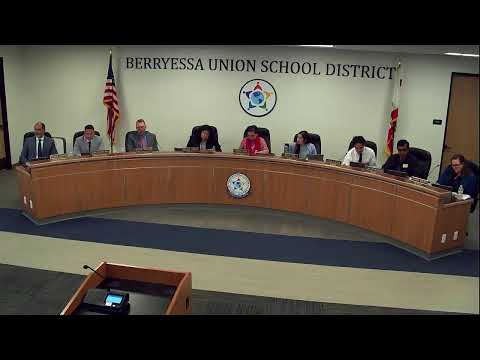
Berryessa presents SIM plan to address over‑identification of Hispanic students in special education
Summary
District staff said data showed Hispanic students exceed the 3.0 risk ratio on special‑education identification; the two‑year SIM plan (to Sept. 2027) targets three elementary schools and one middle school with measurable outcomes for reading growth, reduced suspensions, and stronger family engagement.
District leaders presented the 2025 Significant Disproportionality (SIM) plan after a state data review found persistent over‑identification of Hispanic students for special‑education categories.
Drea Ortiz described the district's root‑cause analysis and the decision to narrow the focus to four school sites where Hispanic enrollment growth and high sped‑to‑general‑education ratios were concentrated (Noble, Northwood, Majestic Way and Sierramont). Ortiz said Berryessa exceeded the risk ratio of 3.0 for multiple indicators across recent years and that the plan requires reallocating 15% of federal IDEA funds to targeted improvement activities. "By September 2027, we will implement a tiered system of support and interventions in reading, writing, and ELD, leading to a 10% yearly increase in the number of students reading at or above grade level," Ortiz said, outlining measurable outcomes.
The SIM plan emphasizes implementing UFLY phonics for early grades, strengthening MTSS practices, applying a tiered fidelity inventory for behavior supports, training administrators on 504 and suspension alternatives, and repurposing community liaisons to support target families. Ortiz said the plan will be submitted to the California Department of Education immediately following the meeting and is due Friday, Nov. 14.