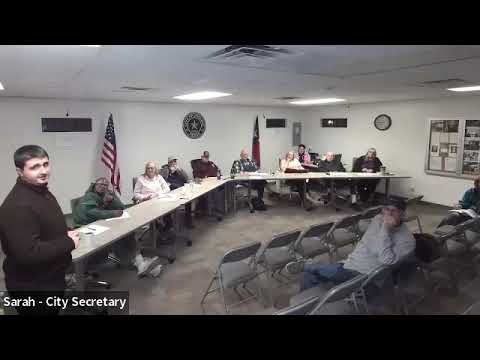
Attorney explains when executive sessions are allowed and what votes must be public
Summary
Morrison told the committee that closed sessions are narrow, must cite a statutory exception, and that final actions taken after executive session must be made in public; he also reviewed recordkeeping rules for open and closed meetings.
The attorney described permissible uses of closed meetings—consultation with counsel, personnel deliberations, and real-property negotiations—and emphasized that a governmental body must announce the statutory basis when moving into an executive session.
Morrison explained that while deliberations on sensitive topics may occur in closed session, any final action must be taken publicly: "You have to come out and actually do that action publicly," he said. Records of open meetings must be retained and made available under the Open Records Act; records generated for closed sessions are confidential and released only under court order after an in-camera review.
He urged care in limiting closed-session deliberations to the specific statutory exception cited and in maintaining thorough minute records so future reviewers can reconstruct the city's actions if necessary.
AI generated
The text on this page is AI generated. Summaries, highlights, analysis, and video transcripts are all produced from the original source material.
AI can make mistakes, so if you spot one, and we will fix it for everyone.
Note: the source content is unaltered by us. Any content source we link to, be it a video, an audio recording, or a document, is presented exactly as its publisher released it. That publisher is usually a government body, sometimes an individual official or another organisation.