Get Full Government Meeting Transcripts, Videos, & Alerts Forever!
Get email alerts on the Governance topic
No spam. Unsubscribe anytime.
Planning commission receives Brown Act, public‑records and housing‑law refresher from staff and city attorney
Summary
Staff and the city attorney briefed commissioners on Brown Act rules, public‑records obligations, ex parte disclosures and recent state housing law enforcement by HCD; staff emphasized disclosing ex parte contacts, avoiding serial meetings and the limits the state places on local discretion for certain housing projects.
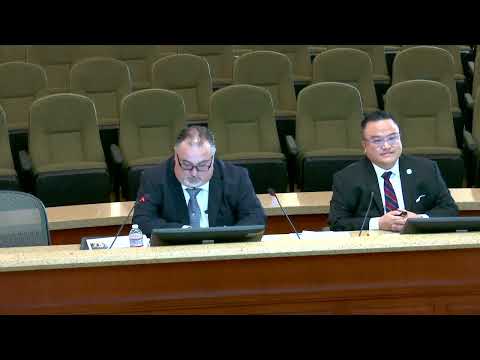
As part of a scheduled workshop, Murrieta planning staff and the city attorney provided a refresher on the commission's duties, Brown Act requirements, public‑records obligations and recent state housing law changes.
City Attorney Martin Kosenowitz (filling in) summarized Brown Act constraints against un‑noticed deliberations and serial meetings, and warned commissioners to disclose ex parte contacts when appropriate. "Any direct communication employed by a majority of you that is not agendized... constitutes an unlawful meeting," Kosenowitz said. Staff and counsel also reiterated public‑records rules that make emails and texts subject to disclosure in some circumstances and advised commissioners to use phone calls or in‑person meetings for sensitive discussions with staff when appropriate.
Deputy Director Jared Ramayah and City Planner Carl Steele reviewed state housing trends and enforcement: HCD has ramped up staffing and enforcement and new laws have limited local discretion on density in some zones, prompting the city to adopt objective design standards and pursue a housing specialist position funded from existing housing authority resources. Staff described how these changes alter the commission’s review role and emphasized the importance of defensible findings on record to withstand potential HCD or legal scrutiny.