Get Full Government Meeting Transcripts, Videos, & Alerts Forever!
Get email alerts on the Public Comment topic
No spam. Unsubscribe anytime.
Neighbors cite sightline, height and runoff concerns as Lyons board weighs 441 State Street variance
Summary
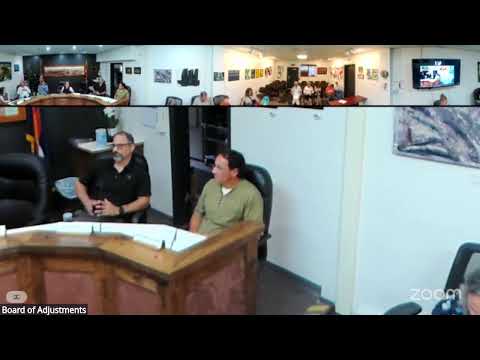
During the July 28 hearing on a variance for 441 State Street, multiple neighbors voiced concerns about second‑story decks, sightlines for schoolchildren, privacy and runoff; board members debated whether physical encroachments constituted a legal hardship.
Several neighbors spoke during the public comment period at the Board of Adjustments hearing on July 28, urging careful consideration of sightlines, drainage and neighborhood impacts if the variance is approved.
Susie Anderson told the board she had submitted a written objection and said she worried about visibility when vehicles turn the corner, noting the presence of children who walk to school. She warned, "It's gonna increase potential drainage and runoff issues," and said decks and a taller structure would affect sightlines. Another neighbor, Patricia Applefeller, said the already‑built ADU “towered over the neighborhood” and expressed concern about height and loss of privacy.
Board members spent substantial time debating the legal test for hardship. Some members argued that the applicant’s survey‑documented encroachments and the lot’s dimensions constitute a unique physical circumstance that can justify relief; others said determining undue hardship requires caution and is not satisfied by mere inconvenience or cost. One board member summarized the tension: rebuilding a house on a narrow, historic lot can present challenges, but the board must find that the hardship is not exclusively personal or financial before granting relief.
Staff reiterated that the town’s building and wildfire‑interface codes will apply to any new construction and that the town engineer raised no safety objections to the proposed shift in footprint. Neighbors were advised that an approval runs with the land, meaning future owners could rely on the variance but any expansion beyond the approved footprint would require returning to the board.