Get Full Government Meeting Transcripts, Videos, & Alerts Forever!
Get email alerts on the Land Use Solar topic
No spam. Unsubscribe anytime.
Residents, landowners press Osage County to hear Evergy-linked solar project; motion to lift ban fails
Summary
Dozens spoke at a county meeting about a proposed Evergy-linked solar project, urging regulations and hearings instead of an outright ban. A commissioner moved to lift the county'wide moratorium on commercial solar; the motion failed for lack of second.
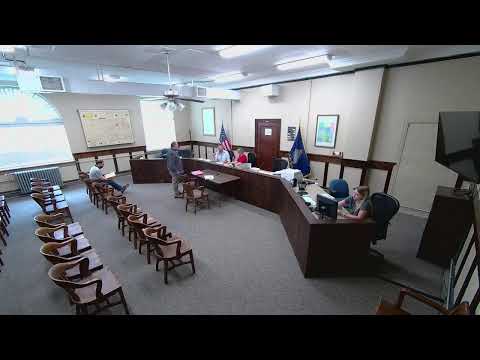
Public comment at the Osage County Commission meeting on July 28 centered on a proposed 500-megawatt Northern Harrier solar project and the county's current prohibition on commercial solar and wind.
Joe Arb, who said he represents 5 36 Development, told commissioners his group supports a process to address neighbors' concerns and "Please consider regulations" rather than an outright ban. Several other landowners and business owners, including Cody Caddell and Jim Scott, urged the commission to at least allow project proposals to be heard so property owners can pursue lease revenue and the county can consider potential tax benefits.
Several residents urged caution. Willie Prescott asked the commission to explain why the moratorium was imposed and warned of sharp property-tax increases if the county does not pursue alternative revenue sources. Multiple speakers asked that planning staff make the earlier 8–9 page planning memo and the planning commission's recommendation available for public review.
Commissioner (speaker 3) moved to lift the ban on commercial solar and direct planning and zoning to prepare regulations and conditional-use procedures; the motion failed for lack of a second and thus died. Commissioners discussed a compromise of suspending the ban for 90 days to allow staff to draft rules, but at the meeting the motion to lift the ban did not pass.
The hearing highlighted two clear strands in public sentiment: landowners and business supporters urged an opportunity to be heard and a conditional-use framework, while other residents emphasized protecting rural character and wanted strict rules or continuation of the prohibition. Chair (speaker 1) and staff pointed meeting attendees toward a recorded 2022 planning process and the planning commission memo for detail on why the prohibition was adopted.
The commission did not adopt any regulatory change at the meeting; members and staff indicated next steps would include record requests for the planning memo and possible further study or a planned return of the item to a future agenda.