Get Full Government Meeting Transcripts, Videos, & Alerts Forever!
Get email alerts on the Public Comment topic
No spam. Unsubscribe anytime.
Residents, teachers urge Osseo board not to ban books and to trust library professionals
Summary
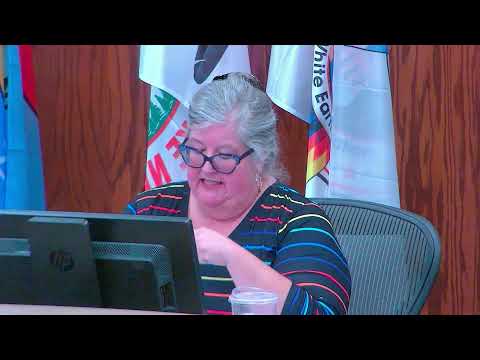
During public comment at the Oct. 22 meeting, multiple residents, teachers and community members defended library staff and the district's challenge process and urged the board not to conflate book reviews with First Amendment prohibitions.
Dozens of community members used the audience opportunity to press the Osseo Area Schools Board on library-review processes, book challenges and the risk of censorship.
Jessica Beam, who identified herself as a lawyer and district resident, argued the First Amendment does not bar board review of school-library material and urged the board to allow consistent community participation: "If we want to retain the right to hear from people with whom we agree, then we must unequivocally accept the obligation to hear from those with whom we disagree," she said. Several other speakers urged the board to trust trained library media specialists and the district's procedures for reviewing materials.
Park Center teacher Mikayla McCoy described how early access to literature shaped her identity: "When I read The Bluest Eye at age 15, I resonated deeply with Pecola," she said, arguing that books can be "mirrors or windows" for students. Other residents, including Deb Peterson and Dr. Laurie Wolf, emphasized that the district already has a book challenge system staffed by professionals and warned against the harms of censoring materials.
Comments also included requests for greater transparency—one resident asked for an annual report on challenged-material requests broken down by author demographics—and concerns about extremist speakers appearing at prior meetings. Board procedure limited responses during public comment, and the board did not debate or act on individual challenges during this period.