Get Full Government Meeting Transcripts, Videos, & Alerts Forever!
Get email alerts on the Leash Law Enforcement topic
No spam. Unsubscribe anytime.
City hearing highlights enforcement gaps, rising calls and need for outreach on leash laws
Summary
Councilors heard from Boston Animal Care & Control and the MSPCA about staffing shortages, rising calls and citations, and public testimony describing attacks and delayed responses. Officials signaled education, signage and more officers as possible next steps.
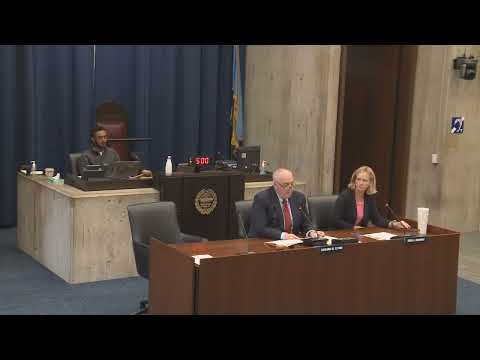
The Boston City Council Committee on City Services held a hearing on July 30, 2026 (docket 0811) to review enforcement of leash laws, dog licensing and related public-safety concerns. Chair Councilor Ed Flynn and Councilor Aaron Murphy heard presentations from Alexis Traczynski, director of Boston Animal Care & Control, and Mike Kiley of the Massachusetts Society for the Prevention of Cruelty to Animals (MSPCA). Flynn opened the session and explained rules for public testimony.
Traczynski described the division’s operations and recent workload growth: she said the unit has 19 staff, eight shelter staff, six animal control officers and one supervisor (with one vacancy pending), and that the department handled thousands of calls and impounds since 2020. "We have 6 officers and 1 animal control officer supervisor," Traczynski said, noting patrols and on-call shifts that cover nights and weekends. She also described outreach programs such as pet pantry clinics and field returns for impounded animals.
Kiley, representing the MSPCA, told councilors the problem is driven by rising pet ownership and shrinking access to affordable veterinary care. "They are stretched very thin," he said of municipal animal-control staff, urging investments in staffing, facility upgrades and nonpunitive outreach to reduce incidents. Public commenters described incidents ranging from minor nuisances to severe attacks and urged better enforcement, clearer signage and public education campaigns.
Councilors questioned how residents should report dangerous incidents (311 versus 911), how patrol priorities are set and why some neighborhoods record higher call volumes. Traczynski said officers prioritize immediate safety and cruelty matters and that proactive sustained patrols are limited by available staff. She reported roughly 1,800 patrol calls in 2025 and 2,774 citations issued in 2025, while noting patrol counts and citation trends vary by neighborhood and reporting patterns.
The hearing closed with councilors and panelists agreeing to pursue additional outreach, explore clearer multi-lingual signage and examine options for expanding staff or seasonal park officers. Flynn said the city will follow up with parks and other departments and consider next steps for enforcement and education.