Get Full Government Meeting Transcripts, Videos, & Alerts Forever!
Get email alerts on the Government Ethics topic
No spam. Unsubscribe anytime.
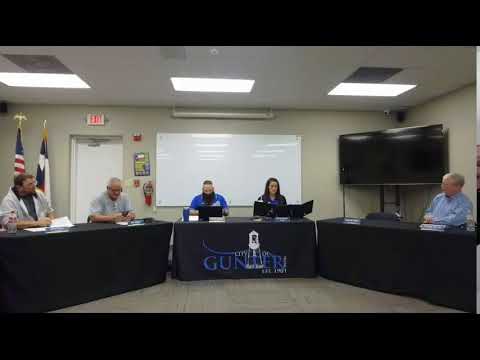
Council splits over proposed code of conduct; vote postponed until full body can decide
Summary
Council debate over a proposed city council relations policy and code of conduct grew contentious as members clashed over enforceability and First Amendment limits. A motion to adopt produced a 2–2 tie and members agreed to re-agendize the resolution when the absent member can participate.
The Gunter City Council engaged in a prolonged and at times heated debate over a proposed city council relations policy, code of ethics and procedural manual that staff presented as updates to clarify roles and add an enforcement paragraph. The policy would extend applicability to board and commission members and includes a provision that members reimburse the city for nonrefundable training costs if they sign up for city-paid training and fail to attend.
Staff summarized the changes and identified potential training providers, saying ethics training could be provided "through the Texas Ethics Commission" or other state offices. Multiple council members questioned whether the resolution's enforcement language goes beyond what local government can constitutionally regulate. One council member warned, "I think y'all are gonna regret adopting this," arguing the measures risk lawsuits and attempt to police conduct beyond actionable disruptions, incitement, or failure to yield time. Supporters said the policy sets expectations and gives the council a formal mechanism to issue a public reprimand (censure) when behavior crosses a line.
After extended discussion about prior disruptive meetings and whether education or regulation was the correct remedy, a council member moved to adopt the resolution. The vote produced a tie (two in favor, two opposed) with one member absent. The presiding officer noted state law allows a tie-breaking vote by the mayor/presiding officer, but several members urged waiting for the absent member Wade. The council ultimately agreed to return the resolution to a future agenda so the full body can vote and any suggested revisions can be circulated beforehand.
Members emphasized two competing aims: protecting robust public participation under the First Amendment while preserving orderly meetings and a professional image for the city. The transcript shows no formal adoption; the item will be re-agendized for the next meeting so the absent member can participate.