Get Full Government Meeting Transcripts, Videos, & Alerts Forever!
Get email alerts on the Land Use Property Transfer topic
No spam. Unsubscribe anytime.
Resident questions city-backed transfer of Broadland Creek lot to Greater Huron
Summary
A Huron resident told commissioners he was blocked from buying the vacant lot next to his home and accused the city of enabling Greater Huron Development Corporation to avoid property taxes; the commission approved a quitclaim deed transferring Lot 15 back to the development corporation after staff said the practice predates current administration.
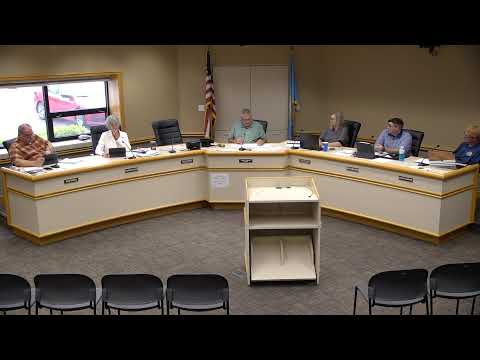
A Huron resident raised questions at the July 27 city commission meeting about why the city is allowing a private development corporation to hold and sell residential lots instead of allowing adjacent homeowners to purchase them.
"Lot owners may acquire adjacent lots for purposes of increasing the size of their lot," resident Chad Wilde read from the neighborhood covenants, then said he had submitted a full-price offer in October 2025 and was told Greater Huron would not sell directly to him. He said the city later moved the parcel into city name, which he argued allowed the development corporation to avoid property taxes and raised conflict-of-interest concerns because some commissioners sit on the development board.
City staff present, including Ted Hader, described the requested quitclaim deed and certificate of real estate value to transfer Lot 15, Broadland Creek Residential Subdivision, back to Greater Huron Development Corporation so the property can be sold to an interested buyer. Hader said the practice of the city holding title to such lots predates current staff and that the arrangement was intended to avoid duplicate property tax payments while supporting the development corporation's operations.
Commission discussion focused on whether the practice should continue, with staff noting there is a state exemption process for commercial and industrial ground (an annual one‑page filing with the county) but saying they had not reviewed whether that exemption applies to residential lots. Commissioners said they would revisit the residential application of the practice and acknowledged public concern about appearances of conflicts. The commission moved and approved the transfer on the agenda.
What happens next: the quitclaim deed was approved so Greater Huron Development Corporation will hold title and may proceed to sell the lot to the pending buyer; the commission did not take further action on prospective policy changes that evening, but several members said the practice warrants future review.