Get Full Government Meeting Transcripts, Videos, & Alerts Forever!
Get email alerts on the Housing Policy topic
No spam. Unsubscribe anytime.
Council hears options to incentivize long-term rentals as owners describe mounting costs
Summary
A consultant briefed council on incentive models used by other resort towns (annual landlord stipends and tenant assistance programs), while local landlords described rising per-unit sewer/trash charges and thin margins that push properties off the long-term market. Council asked staff to return with budget options and legal constraints.
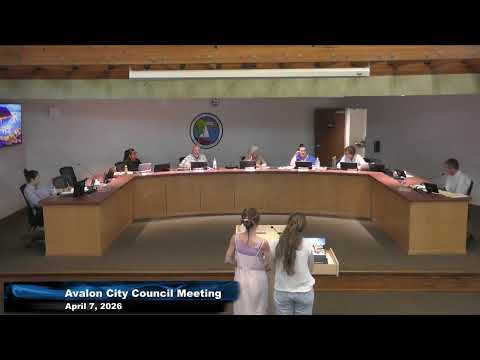
The Avalon City Council heard a focused discussion April 7 about options to encourage more long-term rentals on the island after a consultant and local property owners described pressures that are reducing year-round housing.
Scott Campbell presented several approaches used by communities with heavy short-term rental markets—examples included landlord stipends or grants to take units off the short-term market and convert them to long-term rentals. Campbell said cities such as Mammoth Lakes and others offer programs with amounts that can "go up to $18,000" per unit in certain local programs, while other places operate in the lower thousands annually and limit incentives to lower- and moderate-income renters.
Resident landlord Marina Balsito described the financial strain of maintaining long-term rentals, noting that sewer, saltwater and solid-waste charges are assessed per unit and can significantly increase costs for multi-unit owners. She said long-term landlords have little room to raise rents and that properties can be lost when expenses exceed rental income. Her daughter also spoke, urging attention to supporting owners who provide essential year-round housing.
Council and staff discussed funding options—general fund reallocations, housing-authority funds, possible grant sources and the legal limits on repurposing revenues that voters have restricted. Staff said the city has housing funds but that many are already directed to projects and that some revenue streams (like warfage/cruise-related fees) are restricted or would require voter action to repurpose. Council directed staff to return with program options, cost estimates and feasible funding paths, recognizing that any durable program would require multi-pronged approaches and likely voter involvement for new taxes or dedicated fees.
No ordinance or formal program was adopted at the meeting; staff will analyze budget implications, identify eligible funding sources and report back to council with recommended next steps.