Get Full Government Meeting Transcripts, Videos, & Alerts Forever!
Get email alerts on the Mpa Overview topic
No spam. Unsubscribe anytime.
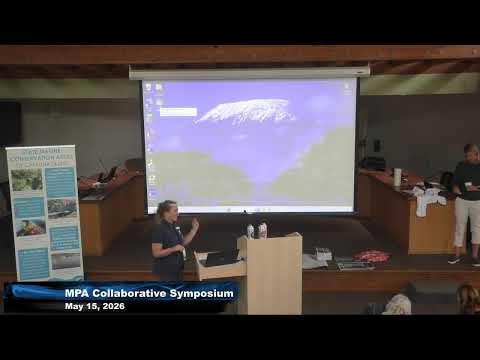
Catalina collaborative outlines how marine protected areas help local fisheries and habitats recover
Summary
Presenters at the Catalina Island MPA Collaborative meeting reviewed scientific evidence that marine protected areas (MPAs) increase fish size and biodiversity, described outreach and monitoring programs, and emphasized MPAs as one of multiple tools for coastal resilience.
Presenters at an MPA Collaborative meeting in Avalon said marine protected areas create space that allows depleted marine ecosystems to recover. The presentation emphasized that protected sites can increase biomass, produce larger fish and bolster biodiversity — benefits that may take years to appear but have been documented in multi‑decadal studies.
"Think of marine protected areas kind of as this — all these things are going on, but we've allowed this space to allow this recovery," the lead presenter said. The talk cited global literature and local examples, noting an observed increase in body size (cited as roughly 28% in some reviews) and higher local species richness inside established reserves.
The presentation summarized core MPA design principles used in California under the Marine Life Protection Act: ecosystem‑based networks, representation of habitat types and connectivity to support larval dispersal. Speakers described adaptive management and monitoring programs that use baseline and ongoing data to inform regulatory adjustments.
Organizers said outreach and education are central to public acceptance. The collaborative displayed brochures, revised maps of MPA boundaries and bilingual materials, and plans to trial mixed regulatory/interpretive signs to make rules clearer for visitors. Attendees were encouraged to use MPA Watch and other citizen‑science tools to collect human‑use and ecological data.