Get Full Government Meeting Transcripts, Videos, & Alerts Forever!
Get email alerts on the LGBTQ Inclusive Curriculum topic
No spam. Unsubscribe anytime.
Supporters and parents clash over planned LGBTQIA+ lesson in Osseo Public School District
Summary
Residents debated an upcoming May LGBTQIA+ lesson during public comment: a district resident defended the resolution as board direction for inclusive curricula while parents questioned scope, opt‑out procedures and whether the content goes beyond state requirements.
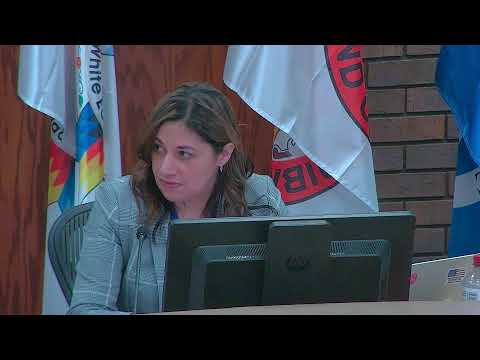
Supporters and opponents of a planned LGBTQIA+ classroom lesson addressed the Osseo Public School District board during public comment, with repeated calls for clarity about the lesson’s scope and who sets curriculum.
At the microphone, district resident Max Maher urged the board to treat the district’s prior LGBTQIA+ resolution as broad governance direction that authorizes administrators to develop implementing lessons. "Resolution set broad goals, not syllabi," Maher said, arguing that staff implementation is part of administration’s role and that singling out LGBT‑affirming lessons for extra oversight risks a double standard.
Several parents pushed back. Michelle Strait said the district’s planned May lesson appeared to go "well beyond" what she believes Minnesota law requires and questioned whether the materials had been reviewed for impartiality. Strait raised concerns about the lesson’s content, described slides saying LGBTQ students are more likely to be bullied, and urged a more "balanced and thoughtful approach" that respects students and parental perspectives.
Both speakers framed their remarks as matters of student safety and educational purpose: Maher said the resolution aims to protect and affirm LGBTQIA+ students, while Strait said parents should be informed and assured that instruction is objective and not persuasive. The board took no action on the lesson during the meeting; the comments were offered as part of the public comment period and were recorded for the meeting minutes.