Get Full Government Meeting Transcripts, Videos, & Alerts Forever!
Get email alerts on the Wildlife Management topic
No spam. Unsubscribe anytime.
DEC biologists describe coyote biology, urge hazing and removing attractants
Summary
Wes Mason and Region 3 biologists told Irvington-area residents that coyotes’ seasonal biology and food sources drive sightings, recommended hazing, securing attractants and fences, and explained incident categories and reporting procedures.
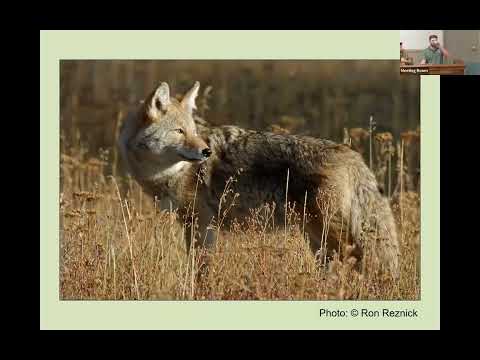
Wes Mason, Region 3 small-game and furbearer biologist, told an Irvington-area public meeting that coyotes’ seasonal behavior and available food explain increased sightings and that communities can reduce conflicts by removing attractants and using hazing. "We want people to be bold, loud, assertive," Mason said, advising air horns, noise and other negative conditioning.
Mason outlined coyote biology and timing: breeding runs roughly January through April, pups are reared in late spring and early summer, and juveniles disperse in autumn. He said DEC classifies reports from simple sightings (category 4) up to incidents involving people (category 1) and that the bulk of public reports fall in categories 2–4. Mason said common attractors include unsecured garbage, scattered bird seed and compost piles and recommended securing trash until pickup, supervising small dogs, and removing bird feeders that scatter seed.
Mason and regional colleagues also described practical deterrents: properly installed fencing (he recommended burying fencing 6 inches below grade and at least 4 feet tall), motion-activated deterrents such as critter-getters, and community-wide hazing efforts so coyotes do not habituate to yards. For emergencies involving aggressive or biting animals, Mason said residents should call 911; for nonemergencies, DEC Region 3’s wildlife line is available during business hours. The biologists left business cards and links to DEC resources for further information.