Get Full Government Meeting Transcripts, Videos, & Alerts Forever!
Get email alerts on the Water Sewer Rates topic
No spam. Unsubscribe anytime.
Blue Lake council adopts resolution to implement adopted water and sewer rate schedule
Summary
The Blue Lake City Council voted to implement previously adopted water and sewer base-rate increases for fiscal year 2025–26 and to update the turbidity reduction fee to a pass-through amount. Council members and the public pressed staff for clearer outreach and data on meter counts and vacation exemptions.
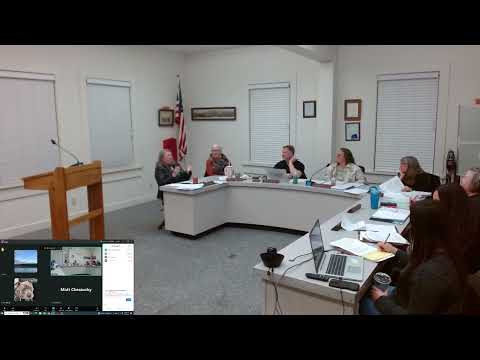
The Blue Lake City Council on a unanimous roll call adopted a resolution confirming implementation of the already-adopted five-year water and sewer rate schedule for fiscal year 2025–26 and updated the turbidity reduction fee to align with current charges.
City manager Jenny and staff presented the item, explaining that the utility funds are operating at a deficit and that the schedule adopted in 2023 allowed each year’s increase to take effect on or about Feb. 20. Jenny told the council staff’s recommendation was to implement the base-rate increases already adopted for water and sewer because “we are running a deficit, a pretty significant deficit.” She also noted an omission in prior resolutions that left consumption-rate increases out of some adopted documents and said staff would clean that up administratively or return with a follow-up resolution if needed.
Members of the public asked for more outreach and a town-hall to explain past rate decisions; one commenter referenced a 2022 rate analysis in the archives. Council member Scafani moved to adopt Resolution 1255 confirming implementation of the adopted water and sewer rate schedule for fiscal year 2025–26 and to update the turbidity reduction fee pass-through amount; Bayless seconded the motion. The motion carried on a roll-call vote and the resolution passed.
The council directed staff to provide clearer billing and meter-count data at a future meeting and to consider whether any additional rate‑study addenda are necessary before adopting any rates beyond what is already scheduled.