Get Full Government Meeting Transcripts, Videos, & Alerts Forever!
Get email alerts on the Public Safety topic
No spam. Unsubscribe anytime.
Reno police chief outlines priorities: rebuild trust, boost traffic enforcement and publish policies online
Summary
Reno Police Chief Corey Solfreno told the Ward 6 Neighborhood Advisory Board the department will expand traffic enforcement, make policies public via PowerDMS and invest in officer wellness and recruiting as part of efforts to rebuild trust and service delivery.
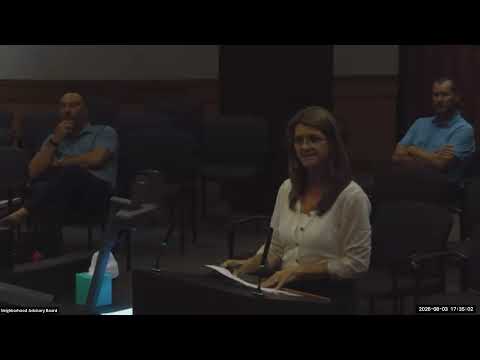
Corey Solfreno, chief of the Reno Police Department, told the Ward 6 Neighborhood Advisory Board on Aug. 3 that his immediate priorities are rebuilding internal trust, expanding traffic enforcement and increasing transparency around department policies and internal affairs.
“The men and women of the Reno Police Department continue to answer the call,” Solfreno said, framing staffing, training and communication as the foundation of his agenda. He described plans to make department policies publicly accessible via the city web site through PowerDMS once agreements with unions and legal are complete, and to report internal‑affairs and use‑of‑force data in summary form.
Solfreno and Lt. Tom Eterbe detailed near‑term operational steps in Ward 6: deploying speed trailers and collecting vehicle‑speed data to target enforcement and testing public education for ebike safety in schools. The chief said the department graduated about 20 recruits in June and currently has about 10 in a follow‑on academy, and that the city is planning for a larger academy intake next January to address attrition.
Board members raised trust and transparency concerns tied to events last year. Brad Conway said that while officers turn up for calls, “the level of trust and the transparency…it’s not there,” and urged the department to focus on restoring it. Several members praised bicycle officers and the department’s mobile outreach partnerships; Alina Johnson thanked the department for attention to psychological screening and wellness initiatives.
Solfreno also outlined wellness investments and staffing changes, including reinstating a chief’s advisory panel and an impact panel that coordinates with community, faith and civil‑liberties organizations. He said the department has saved money by moving to PowerDMS and emphasized body‑worn camera footage as a key tool for resolving complaints.
The presentation was followed by audience questions about traffic enforcement, drone use and coordination with regional agencies. The board did not take formal action; staff urged residents to file project worksheets to record feedback for planning‑level reviews.