Get Full Government Meeting Transcripts, Videos, & Alerts Forever!
Get email alerts on the Municipal Finance topic
No spam. Unsubscribe anytime.
Tell City adopts wheel-tax and excise surtax ordinance, council says residents will pay a slightly lower rate
Summary
The Tell City Common Council adopted Ordinance No. 12-39 to impose a municipal wheel tax and excise surtax, replacing an equivalent county levy for city residents and setting rates below statutory caps; council suspended rules for second and third reading and approved the ordinance by voice vote.
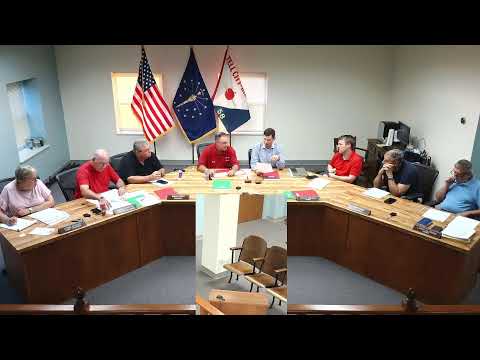
Tell City’s Common Council on Aug. 3 adopted Ordinance No. 12-39, imposing a municipal motor-vehicle license excise surtax and a municipal wheel tax and establishing dedicated funds for road and street maintenance.
Counsel summarized the ordinance’s main points, citing the state authorization and noting the council set rates below the statutory maximums. “Each of the rates the city is imposing are 9% or, in other words, less than the maximum,” counsel said while summarizing the ordinance. The measure also requires the city to prepare and submit a transportation asset management plan to the Indiana Department of Transportation before August 1 of each year and to report estimated revenues in the budget process.
The council’s ordinance replaces the county-imposed charge for people who register vehicles in Tell City; presenters said the change will lower the out‑of‑pocket rate for in-city residents by roughly $1 on the wheel tax and a reduced surtax rate (presented as 9% in the ordinance) compared with the county’s 10% surtax. The ordinance defines exempt vehicle classes (governmental, school buses, certain nonprofit buses and funeral-related equipment), establishes permissible uses for the fund (road reconstruction/repair, matching funds for grants and other lawful uses), and contains standard severability and publication clauses.
Councilors voted to suspend the rules for second and third readings by title only and then adopted Ordinance No. 12-39 by voice vote. The ordinance takes effect after passage, approval and publication as required by statute. The council did not record a roll-call tally in the public minutes; the vote was carried by voice.
The council’s next procedural step is to publish the ordinance as required and to implement the transportation asset management reporting required by the statute.