Get Full Government Meeting Transcripts, Videos, & Alerts Forever!
Get email alerts on the Co Response topic
No spam. Unsubscribe anytime.
Anchor co‑response team says it served more unique neighbors while reducing repeat 911 calls
Summary
Deputy Human Services Director Hunter Smith told the council the Anchor co‑response team handled fewer overall calls but reached more unique individuals in FY25→FY26, and outlined plans for care navigation and expanded follow‑up to reduce future 911 use.
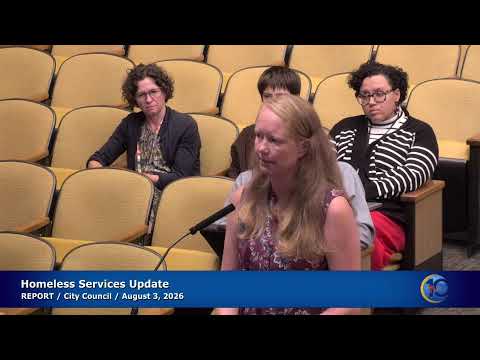
Hunter Smith, deputy director of the Charlottesville Department of Human Services, told the City Council Aug. 3 that the Anchor co‑response team has both broadened outreach and reduced repeat emergency calls.
"We respond to behavioral health, mental health, related calls to 911 with the aim to reduce the equal criminal justice involvement for neighbors to whom we respond," Smith said during a work‑session presentation describing the team's cross‑agency staffing and operations. He said the team now includes a qualified mental health professional, a peer support specialist, two CIT‑trained police officers and two CIT‑trained firefighter/EMTs, and operates weekdays from 8 a.m. to 6 p.m.
Smith presented year‑to‑year statistics showing a decline in total calls for service alongside an increase in unique neighbors served, which he interpreted as reaching more people rather than repeatedly serving the same individuals. He illustrated successes with case examples — including voluntary assessments at Region 10 and follow‑up work that reduced repeated 911 calls for people with chronic needs.
Council members asked about referral pathways and whether Anchor should receive direct dispatch. Smith said most referrals come through ECC or officers on scene and that the team is pausing on direct dispatch until staff better understand which call types are appropriate to send directly to Anchor.
He also previewed a planned care navigation position intended to improve post‑crisis follow‑up: the role would initially handle a small caseload (about 15 people at a time) and provide 0–90 day navigation to connect neighbors with appointments, medication delivery and other supports.
The presentation concluded with praise from councilors for the cross‑agency work and an agreement to continue monitoring outcomes and data collection to refine response and classification methods.