Get Full Government Meeting Transcripts, Videos, & Alerts Forever!
Get email alerts on the Homelessness topic
No spam. Unsubscribe anytime.
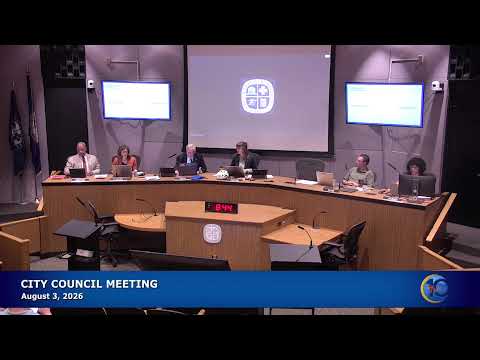
City Council approves $4 million to expand emergency sheltering and direct-to-housing services
Summary
Charlottesville council voted 4-0 to allocate up to $4,000,000 from CIP contingency for emergency shelter operations at 2000 Holiday Drive and related direct-to-housing supports, while residents and advocates urged housing-first alternatives and criticized outreach practices.
Charlottesville City Council voted unanimously to set aside up to $4,000,000 from the city's capital improvement contingency to expand emergency shelter capacity and pay for direct-to-housing services.
Mister Sanders, who framed the proposed investment as an emergency response, told the council: "So tonight, I have in front of you an opportunity for you to invest $4,000,000 to expand the capacity needed to address the persistent problem of homelessness in Charlottesville." The funds are intended to support operations at 2000 Holiday Drive, transitional housing supports and contracts with experienced shelter operators under negotiation.
Sanders and staff outlined a phased approach: a contracted operator (Central Arizona Shelter Services, or CAS) would run an initial low-barrier shelter model while the city pursues transitional and permanent supportive housing options. Sanders said CAS presented a worst-case operating budget request of roughly $3,000,000 to serve up to 120 people for 12 months. Council members emphasized this is a one-time CIP contingency allocation and said ongoing funding would be addressed in the regular budget cycle.
Public commenters and advocates pressed the council for alternatives. Lizzie and other speakers argued the funds would be better used to place people directly into housing or to build tiny-house villages, and multiple speakers said outreach had been conducted in the shadow of a Sept. 1 displacement deadline and had not sufficiently centered residents' needs. Donna Tietjen urged trauma-informed practices, saying forced displacement and surveillance risk retraumatizing people and increasing health and safety consequences.