Get Full Government Meeting Transcripts, Videos, & Alerts Forever!
Get email alerts on the Regulatory No Project topic
No spam. Unsubscribe anytime.
Regional Water Board official: 'No-project' alternative could trigger stricter OWTS steps; board urges community solution
Summary
An executive officer from the Central Coast Water Board told the Los Olivos board the 'no project' option could lead to county involvement and OWTS (on-site wastewater treatment system) tiering requiring upgrades; he urged the district to continue pursuing a community treatment or consolidation to improve groundwater.
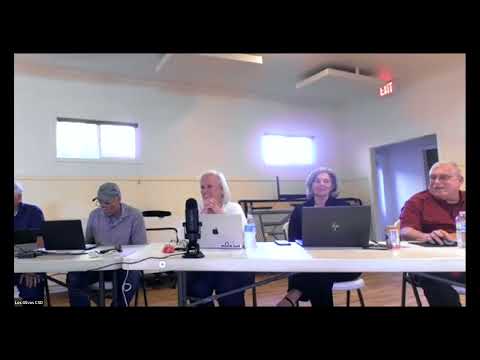
The Los Olivos board reviewed a letter from the Central Coast Regional Water Quality Control Board about the consequences of adopting a "no-project" alternative. Brian Lodge, the regional board executive officer, told the board that the basin is impacted and that the agency's letter lays out regulatory options, including designation of failing on-site systems under the state's OWTS policy.
"Ultimately, our perspective is that the basin is impacted," Lodge said in response to questions, describing the regional board's preference for a community solution or connecting to an existing plant so groundwater impacts can be addressed at scale. He cautioned that designation approaches — for example, identifying systems as Tier 4 where OWTS are not functioning — could impose upgrade requirements on individual parcels that lack space for replacement systems.
Board members thanked Lodge for the letter and said it felt more like a clarification of regulatory position than an immediate enforcement action. Directors emphasized they welcome the water board's partnership and asked for technical staff to attend the public workshop on May 14.
Why it matters: the water board's letter introduces regulatory pressure that could change the range of viable local options and increases the urgency of selecting a path that meaningfully improves groundwater quality.