Get Full Government Meeting Transcripts, Videos, & Alerts Forever!
Get email alerts on the Grants topic
No spam. Unsubscribe anytime.
Greenbelt council debates new caps and rules for recognition group grants
Summary
Council members argued over percentage‑based awards versus a hard dollar cap and whether to tie grant eligibility to past budgets, with staff recommending safeguards to keep funding open to smaller, newer groups.
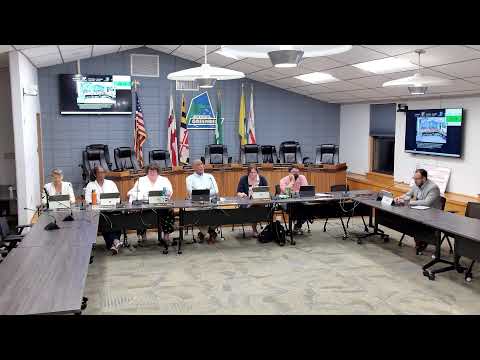
Greenbelt City Council members debated new limits and procedures for the city’s recognition group grant program, weighing whether to cap awards as a percentage of an organization’s budget or impose a hard dollar ceiling to preserve funds for smaller groups. Staff described the changes as intended to keep the door open for new and small organizations while preventing long‑standing recipients from absorbing a disproportionate share of a limited fund.
Staff emphasized program types and existing constraints: “The project grants are capped at $5,000,” a staff member stated, distinguishing project awards from operating grants. Council members pressed for clarity on whether award requests should be calculated against an applicant’s proposed budget or last year’s actuals; staff recommended using last year’s actual expenses to reduce inflationary requests. One staff member argued it was important “that the door is always open” to newcomers, noting the policy shift toward a single flexible pool was meant to avoid concentrating resources among early entrants.
Council members discussed concrete caps. The meeting trended toward combining a percentage limit with a hard dollar cap (a working proposal was 20–25 percent of an organization’s budget, with a $25,000 maximum). Council member Fritz emphasized sustainability and the different operational models between organizations that run volunteer leagues and those that operate dedicated facilities. Kim, another council member, raised distinctions among groups with physical spaces, saying, “For example, something like the Greenbelt Arts Center has traditionally gotten a lot more money, but they also ... have a physical space.”
The council directed staff to refine the proposed caps and procedures and to return with specific language and a timeline so the policy change can be considered alongside the city’s budget process. The items will be revisited at a future council meeting after staff incorporates advisory‑board feedback.