Get Full Government Meeting Transcripts, Videos, & Alerts Forever!
Get email alerts on the Community Concerns topic
No spam. Unsubscribe anytime.
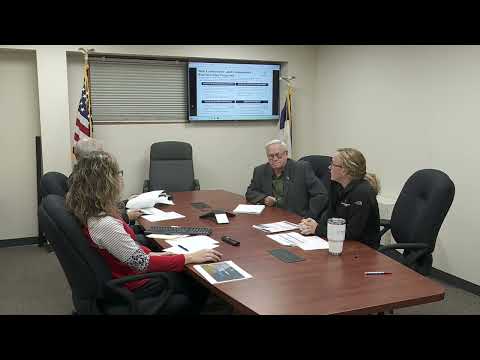
Landowners press Summit on eminent domain, water use and safety at Shelby County meeting
Summary
Multiple Shelby County residents urged Summit Carbon Solutions to clarify whether eminent domain remains possible, disclose projected water use and explain safety measures for CO2 pipelines; a landowner asked for worst‑case risk modeling and expressed distrust of vague commitments.
During public comment at the Oct. 21 Shelby County meeting, several residents demanded clearer commitments from Summit Carbon Solutions on eminent domain, water use and safety for the proposed CO2 pipeline.
Sherry Webb, who identified herself as a Century Farm owner in Shelby County, questioned the project's necessity given expanding ethanol markets and said: "Don't tell me it's green because it's not green." Webb pressed the company on whether the pipeline would serve enhanced-oil recovery and whether the project still relied on low‑carbon fuel markets as justification.
Mary Powell, who identified herself as a Shelby County landowner, directly challenged Summit on safety and transparency: "You're not transparent about water use. You're not transparent about safety." Powell said the county had recently experienced water shortages and pressed the company to provide figures for how many gallons would be used locally and to describe protections against aquifer contamination.
Summit’s Iowa project manager, Kylie Lang, replied that the community benefits package and the company’s mission and values include commitments to safety and that water‑use technical specialists are studying options such as air cooling and increased recycling. Lang disputed the suggestion that safety is not a priority and reiterated the company’s offer to sit down with landowners for deeper technical review.
The public comment period included repeated questions about the possibility of eminent domain. Supervisors and residents asked whether county-level payments would be reduced if more landowners declined voluntary easements; supervisors said they feared incentives could create division among neighbors. Summit said eminent domain remained a last resort but did not definitively rule it out in the meeting.