Get Full Government Meeting Transcripts, Videos, & Alerts Forever!
Get email alerts on the Housing Rehab topic
No spam. Unsubscribe anytime.
Kankakee City staff proposes removing termite-inspection rule and raising rehab cap to $30,000
Summary
City staff proposed removing a termite-inspection requirement and increasing the per-unit rehab cap from $20,000 to $30,000 for ARPA-funded rental rehab and MIRA programs, arguing the current rules create procurement barriers and limit how many households can be served.
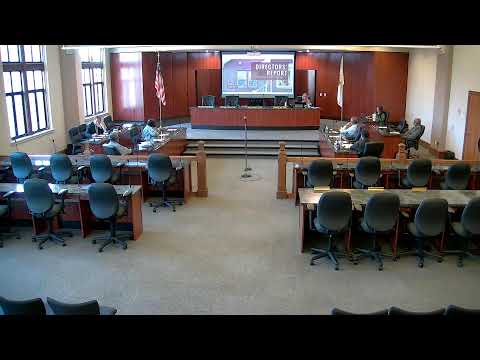
Kankakee City staff presented proposed, nonvoting changes to ARPA-funded housing programs to the Community Development Committee on Aug. 3, saying the changes would reduce barriers that keep projects from moving forward. ECDA presenter Barbie Brew Watson told the committee she would seek consensus and, if appropriate, bring the item to full council later.
"I would like to remove the termite inspection policy," Watson said, arguing the requirement is not federally mandated and often prevents small contractors from participating because they must register in SAM.gov and submit to federal audit procedures. "This has become a barrier, and we just need to remove it," she added.
Watson also proposed raising the maximum per-unit rehabilitation grant from $20,000 to $30,000 to cover lead-risk assessments, clearance and mitigation work that can consume much of the current allocation. She said lead-related costs and material prices have risen substantially and that even $30,000 might be insufficient for some lead-heavy projects.
Committee members pressed on risks and trade-offs. One member asked what would happen if termite damage was discovered during work; Watson said severe structural issues sometimes emerge that exceed program budgets, forcing staff to turn homeowners away. Watson also noted a three-year lien requirement applies to both programs; if a homeowner sells within that period, proration rules apply.
On program reach, Watson said there are five projects the city is confident would qualify immediately if the match requirement were removed, and she cited roughly 158 people on the broader waiting list who might be affected by any rule changes. Staff estimated that moving the per-unit cap from $20,000 to $30,000 could change the number of projects achievable with remaining funds by roughly five (e.g., from about 10 projects to about 15), though Watson said she did not have exact remaining-fund figures at the meeting.
Watson closed by saying she would research termite-inspection policy implications further, gauge council consensus electronically if possible, and bring a formal proposal to council when ready.