Get Full Government Meeting Transcripts, Videos, & Alerts Forever!
Get email alerts on the Airport Policy topic
No spam. Unsubscribe anytime.
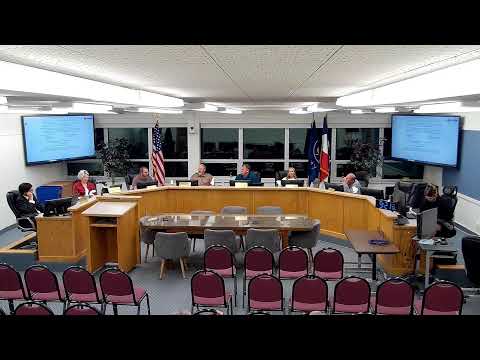
Commission and county attorney flag legal, insurance issues with proposed airport hangar VRBO use
Summary
Morgan County officials and the county attorney raised code and insurance concerns after a lessee proposed short-term lodging use at the county airport; staff and airport representatives agreed to a follow-up work session to resolve zoning and liability questions.
A proposal to allow short-term lodging from a hangar at Morgan County Airport prompted sustained questions from commissioners and county legal staff about land-use rules and liability.
County Attorney Garrett Smith told the commission that Morgan County's short-term rental rules define such rentals as residential uses that are not allowed in the county's commercial buffer underlying the airport overlay: "Short term rentals is defined as a residential unit ... So the point is there is no short term rental in any commercial zone" (County attorney). Smith also warned the commission that county risk pools do not reliably cover airport liabilities and that any expansion of residential-type lodging at the airport could expose the county to uninsured premises liability.
The hangar lessee and airport manager said they had found examples and precedents in other jurisdictions and that limited, well-managed aviation lodging could support airport economic development and visitor access. The lessee said his intent was small-scale aviation lodging and that his lease language included a reference to "aviator lodging"; the county attorney noted that leases do not substitute for required conditional-use or code amendments and that the county must weigh precedent and insurance implications.
Commissioners agreed to schedule a work session to analyze code amendments, insurance coverage options and any conditional-use permit changes needed to avoid creating open-ended liabilities or inconsistent zoning outcomes.