Get Full Government Meeting Transcripts, Videos, & Alerts Forever!
Get email alerts on the Humanitarian Overview topic
No spam. Unsubscribe anytime.
UN humanitarian spokesperson warns Afghanistanneeds far more than emergency aid
Summary
Olga Charevko of OCHA told journalists that Afghans face repeated climate shocks, rising malnutrition and dwindling funding, and that humanitarian relief alone cannot restore livelihoods or long-term prospects for women and children.
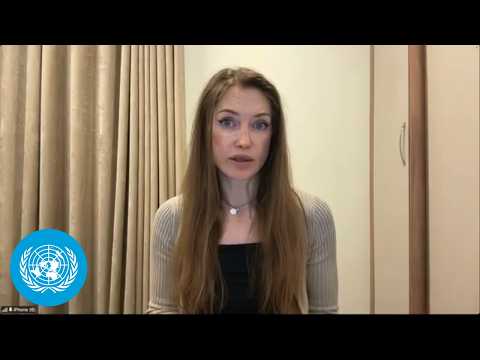
Olga Charevko, spokesperson for the UN Office for the Coordination of Humanitarian Affairs in Afghanistan, said the country is suffering from repeated climate shocks, conflict and chronic poverty that leave communities with little time to recover. "They're exhausted from being poor, from being hungry, from repeated climate shocks, mounting debt, and the daily struggle to provide for their families," she said in a briefing from Kabul.
Charevko described visits to provinces including Bamyan, Herat, Paktika and Nuristan and warned that, while security levels have improved in parts of the country, "security is not the same as human security" because it does not put food on the table, replace lost homes or bring a doctor closer to remote villages. She urged donors and policymakers to pair life-saving humanitarian assistance with medium- and long-term solutions so families can access jobs, schools and health services rather than repeatedly cycle back into crisis.