Get Full Government Meeting Transcripts, Videos, & Alerts Forever!
Get email alerts on the Amusement License Fees topic
No spam. Unsubscribe anytime.
License committee approves ordinance to raise amusement-device fee to $50 outside cities
Summary
LaSalle County’s License Committee voted Aug. 4 to amend an ordinance raising the annual amusement-device fee from $25 to $50 for devices located outside municipal corporate limits, after members debated reimbursement practices by gaming companies and agreed $50 was a reasonable start.
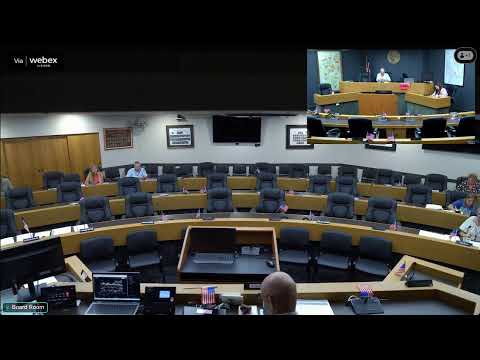
The LaSalle County License Committee on Aug. 4 approved an amendment to county ordinance that raises the fee for amusement devices located outside city and village limits "to be changed from $25 each to $50 each," Chair Don Johnson said during the meeting.
Committee members debated whether the county could set a higher fee — citing prior talk of $100 — but ultimately backed the $50 increase as a reasonable initial step. One member asked to confirm whether the "increase, right, from 25 to 50?" was the only change to the ordinance; the chair and staff confirmed that the amendment reflected that single change.
Members also discussed how gaming companies interact with local fees. Miss McNally said gaming companies typically reimburse local governments for part of the cost, noting: "the gaming companies pay 50% of what the cities pay ... So if it's $250, the gaming company will reimburse a 125. So if it's 50, they're gonna reimburse 25." That practice, members said, informs how high the county can set fees without putting more cost on businesses.
The committee recorded a motion and voice vote to approve the amended ordinance; the chair announced the motion carried. The committee directed no immediate additional action beyond the ordinance passage, though members suggested monitoring reimbursements and possibly phasing future increases if warranted.