Get Full Government Meeting Transcripts, Videos, & Alerts Forever!
Get email alerts on the Lead Service Line Replacement topic
No spam. Unsubscribe anytime.
Assistant superintendent says lead‑line replacement on schedule but homeowner refusals complicate progress
Summary
Utility assistant superintendent Jamons reported phase 1 and phase 2 progress on the lead service line replacement program, warned that two homeowners declined service after signing, and said customers who later hire contractors could face $3,000–$4,000 bills; the program includes a public database for lead‑line status.
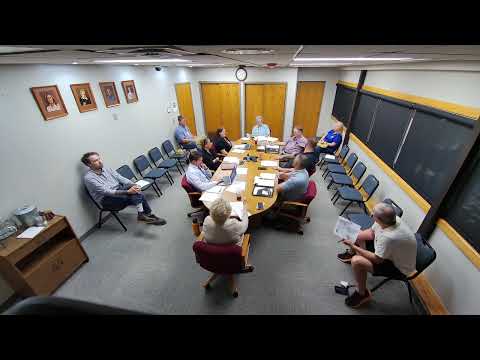
Assistant superintendent Jamons, who oversees water and wastewater work, told the board that phase 1 of the lead service line replacement project is largely finished and that phase 2 began July 20 under a two‑year contract covering a large area of town. He said crews completed potholing and have started customer‑side replacements for residents who signed Right of Entry (ROE) agreements and that phase 1 work should be off site by October.
Jamons described difficulty when homeowners who initially signed ROEs later declined the customer‑side work. "We had 2 people who had signed ROEs who changed their minds," he said. Board members and staff discussed options: the utility can patch potholes and finish work on the utility side, but with current funding it cannot replace a customer's private line if the homeowner refuses. Jamons estimated that a homeowner hiring private contractors later would likely pay between $3,000 and $4,000 to have a customer‑side line installed.
Board members also emphasized the program's required recordkeeping: Jamons said the utility maintains a state database where residents can look up addresses to see whether a service line contains lead. The board discussed annual notices and documenting refusals so future property owners are informed. Officials noted that, under EPA requirements, noncompliance in the long run could lead to enforcement steps that might include disconnection or other actions, but no new enforcement policy was adopted at this meeting.