Get Full Government Meeting Transcripts, Videos, & Alerts Forever!
Get email alerts on the Domestic Violence Training topic
No spam. Unsubscribe anytime.
City consultant: Santa Fe’s ARPA-funded domestic-violence training reached 162 providers and produced professional endorsement plan
Summary
A consultant told the Quality of Life Committee that an ARPA-funded domestic-violence training series reached 162 participants from more than 20 organizations, produced measurable confidence gains in attendees and is being converted into a peer endorsement with OPRE to support sustainability.
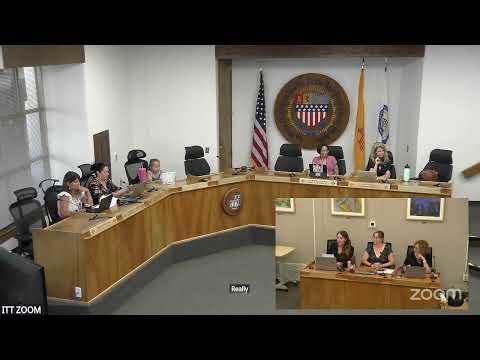
Leila Kelly, a consultant with the city of Santa Fe on interpersonal violence work, told the Quality of Life Committee that a yearlong training series funded with American Rescue Plan Act money delivered 18 in-person trainings totaling 48 hours and reached 162 participants from more than 20 organizations. "In total, we reached a 162 participants," Kelly said during the presentation.
Kelly described a two-tier structure: a monthly foundational "understanding relational violence" course plus six deep-dive modules on topics such as risk assessment and safety planning, community navigation, client complexity and stabilization. She said the trainings offered continuing education credits and were designed to translate multidisciplinary research into practical case-management skills for advocates, peers, therapists, probation officers and others in direct service roles.
Organizers reported positive pre/post survey results: 77% of respondents said they had a good grasp of the concepts taught, 84% felt more confident responding to domestic violence and 88% identified a specific change they planned to make in their work after the trainings. Kelly recommended repeating core modules and offering supervisor-level trainings and more role-play to boost practical skills. Director Emery (staff) and committee members discussed next steps for sustaining the work and expanding access.