Get Full Government Meeting Transcripts, Videos, & Alerts Forever!
Get email alerts on the Emergency Medical Services topic
No spam. Unsubscribe anytime.
Commission to place 1% EMS sales/use tax on November ballot
Summary
The San Juan County Commission voted to place a 1% local sales and use tax for emergency medical services on the November ballot after an EMS director outlined staffing shortages and aging vehicles. The resolution seeks a proposition number so county and partners can begin outreach; the lieutenant governor's office will confirm final placement.
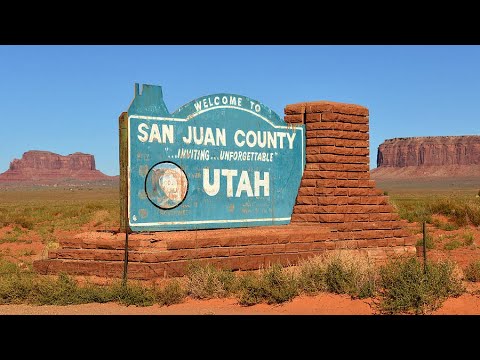
The San Juan County Commission voted unanimously Aug. 4 to place a proposed 1% local sales and use tax for emergency medical services on the November ballot.
Jeremy, introduced to the meeting as the county EMS director, told commissioners the tax would fund staffing, vehicle and equipment replacement and create a predictable capital-replacement fund. "Our newest fleet we have is, you know, at 2019. The oldest is 2006," he said, adding that about "30 to 40% of our ambulance calls are for out-of-area" visitors. He said the tax design intends for visitors and shoppers to bear part of the cost rather than rely solely on local property taxpayers.
Commissioners clarified that the resolution before them would only request a proposition number and place the question on the ballot for voter approval; it does not implement the tax immediately. One commissioner summarized the process: after the commission approves the resolution, the county submits materials to the lieutenant governor’s office, which assigns the proposition number and confirms ballot placement. The resolution passed by voice vote.
The commission and staff said they plan public outreach and partner engagement ahead of the election, and that, by statute, the question must be reauthorized every 10 years if approved. The EMS director offered to meet with community groups to explain how revenues would be used and to answer specific technical questions about staffing and fleet replacement timelines.