Get Full Government Meeting Transcripts, Videos, & Alerts Forever!
Get email alerts on the Speech And Debate topic
No spam. Unsubscribe anytime.
Senators press limits on telecom subpoenas and nondisclosure orders
Summary
Committee members questioned whether subpoenas seeking senators' toll records and nondisclosure orders violated the speech-or-debate clause and constitutional protections; witnesses urged consultation with congressional offices and use of archived records as a constitutionally safer route.
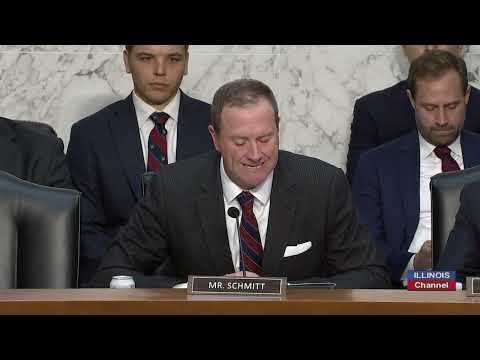
Several senators asked witnesses whether the use of nondisclosure orders (NDOs) and subpoenas for phone metadata implicated the Constitution's speech-or-debate protections and whether telecom providers had a legal obligation to notify members of Congress.
Dr. Dan Epstein told the committee that, as a matter of constitutional practice, there needs to be consultation with the Senate before phone providers produce records tied to members' official duties. "You can't force senators to speak, members of the House to speak, without their consent," Epstein said when explaining why speech-and-debate concerns matter for congressional records.
Senator Britt and others raised the example of one telecom provider refusing to comply with an NDO-laden subpoena, a fact witnesses said underscored the complexity of balancing investigatory needs and constitutional protections. Witnesses suggested archival records and congressional consultation as alternatives when speech-and-debate issues arise.