Get Full Government Meeting Transcripts, Videos, & Alerts Forever!
Get email alerts on the Public Safety topic
No spam. Unsubscribe anytime.
Waterfront Park staff outline safety model, event numbers and free-speech zones amid performer concerns
Summary
Seattle Center staff briefed the committee on Waterfront Park operations: a three-pillar model (maintenance, programming, public safety), event attendance during recent matches, a four-tier safety response and six designated free-speech locations; performers at public comment said the system "is broken."
Seattle Center staff told the committee on Aug. 6 that Waterfront Park operations rest on three pillars — maintenance, programming activation and public safety — and described the park's public-safety model and recent event activity.
Waterfront Park operations manager Tiffany Mawake said the park removed more than 600 graffiti tags in 2025 and has tracked 528 so far in 2026. She reported "2,885 incidents overall and 44 that went to the police and 36 that went to the fire department" in 2025 and noted fewer than 2% of incidents required SPD or SFD response. Mawake described a four-tier public-safety approach (social services via ETS Reach; park ambassadors; a 24/7 ESU enforcement team; and SPD/SFD for criminal or life-threatening incidents) and said the park has had "0 encampments established in the Waterfront Park boundary since 2023."
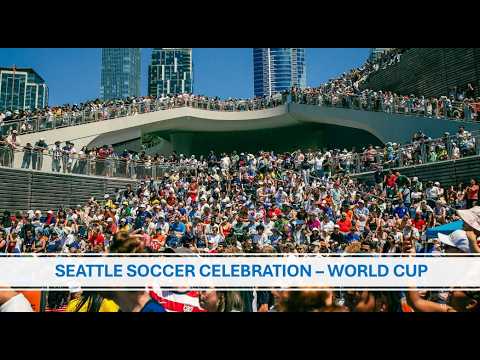
The briefing covered programming and large events: staff estimated more than 100,000 people on July 6 (World Cup-related activations) and described Pier 62 and Pier 58 activations and the upcoming waterfront block party on Aug. 29. Vice Chair Rink and Council member Lynn asked about enforcement categories and the designated free-speech locations. Mawake said the park has six designated free-speech locations ("blue boxes"), temporary additional zones for high demand, and that staff try to incorporate performer feedback: "We've taken feedback from different artists and actually expanded our free speech zones that we had, and we added free speech zones based on feedback."
Performers in public comment raised sharply different concerns. Clive Hayward, a magician who performed on the waterfront for 11 years, said the free-speech box system "is broken" and described enforcement incidents that he said excluded performers from public space; staff responded in the hearing that they engage performers directly and will continue to review zones and enforcement practices.