Get Full Government Meeting Transcripts, Videos, & Alerts Forever!
Get email alerts on the Waste Management topic
No spam. Unsubscribe anytime.
Residents raise health concerns over Tantalo Landfill at Seneca Falls meeting
Summary
Public commenters told the council the Tantalo Landfill has a history of permit lapses and possible contamination; a local speaker asked officials to publish water test results and pressed for stronger enforcement and oversight.
Public commenters at the Seneca Falls Town Council meeting raised health and environmental concerns about the Tantalo Landfill, citing historical permitting and contamination questions and urging greater transparency.
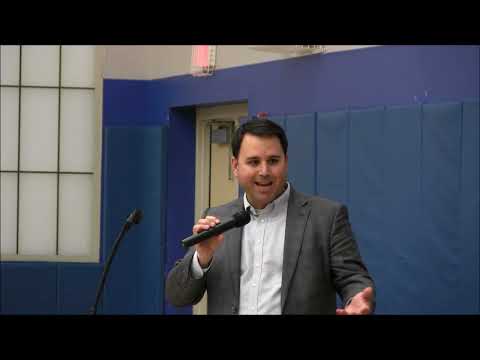
A public commenter who spoke early in the meeting said the site "was classified as inactive hazardous waste site in 2009," and described past closures and uncertainty about what had been placed at the landfill. David, a Seneca Falls resident who testified during public comment, said the landfill "has operated 3 plus years out of the last 5 without a permit from the town," and urged officials to consider the long-term public-health implications.
David described a personal connection to the issue, asking rhetorically, "When I was diagnosed with kidney cancer 6 years ago, what caused the genes in my body to mutate?" and listing possible exposures residents have faced. He told the council and audience he had water samples tested and said that, in his comparisons, the leachate tests were not worse than other local water samples.
A councilmember asked David to post his water test results to the town website so the public could review them; David agreed to make the results available. No health agency report or formal epidemiological finding was introduced at the meeting; speakers framed the concerns as community observations and requests for more information and enforcement.
The council did not take a formal action on the landfill during the session; the public comment period was used to register community concerns and request follow-up.