Get Full Government Meeting Transcripts, Videos, & Alerts Forever!
Get email alerts on the Opioid Stigma Training topic
No spam. Unsubscribe anytime.
Presenter says stigma drives repeat opioid use in Rutherford County jails; offers free simulation training
Summary
Brian Lewis of Spark Training told the Rutherford County recovery board that stigma against people with opioid use disorder fuels relapse and overdose after jail release, and offered a no‑cost simulation and training event for county partners on Aug. 26.
Brian Lewis, introduced by staff member Sarah, told the Rutherford County recovery board that stigma is a key barrier to effective treatment for people with opioid use disorder and described an interactive simulation his group runs with providers and community members.
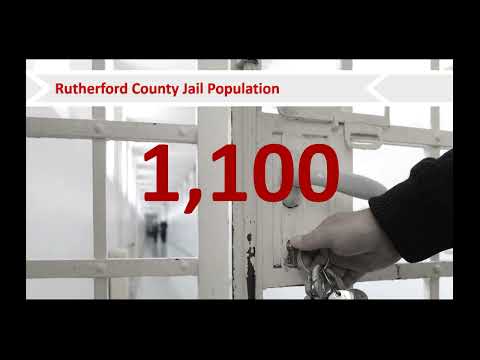
"Stigma is often at the front of that, and it's keeping the cycle going and going," Lewis said, linking negative attitudes to lower prescribing rates of OUD medications and fragmented care. He told board members the county jail holds roughly 1,100 people and estimated about 220 of them have opioid use disorder; he highlighted a relapse figure he and his colleagues use: "40 percent ... within 2 weeks of release are suffering from a relapse, and they're overdose." Lewis invited the board to an Aug. 26 simulation and said his organization can provide the training to Rutherford County at no charge and asked for help connecting with jail staff, churches, schools and other local groups.
The presentation summarized research and program experience: Lewis cited a 2016 study he said found many primary care physicians view opioid addiction as a personal fault and are less likely to support medication treatment, and he described evidence that provider stigma reduces access to medications for OUD. Board members and staff discussed next steps, including connecting Lewis with the sheriff's office and county leadership. "We could give you our contacts and our sheriff and our county commission and let you get that message out to them," the chair said.
Lewis' presentation was followed by brief comments from an emergency physician and addiction specialist in the audience who supported county collaboration on discharge planning, medication access and post-release services. Staff said they will circulate the event details and follow up on possible participation by board members and county HR.