Get Full Government Meeting Transcripts, Videos, & Alerts Forever!
Get email alerts on the Definitions And Enforcement topic
No spam. Unsubscribe anytime.
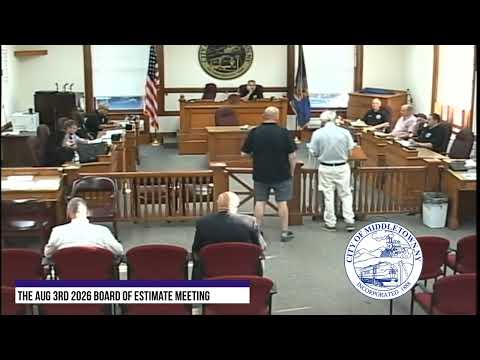
Committee debates who decides when an alarm is a 'nuisance'
Summary
Committee members and staff discussed the ordinance's definition of a 'nuisance false alarm' and who—fire inspector, chief, commissioner or mayor—will decide whether an alarm qualifies, with one member calling parts of the proposal an 'overreach.'
A committee member pushed for clarity on who would decide whether a fire alarm call constituted a nuisance, citing a hypothetical where a customer smoked in a business restroom and triggered an alarm. The member asked, "So who who's again...who is gonna make the determination?" and warned that enforcement could be an "overreach." The question prompted staff to explain the inspection and warning process before any charges are considered.
Andrew, who read the ordinance definition, recited the draft language: "The definition of a nuisance false alarm is the fire department responding to multiple alarms at the same address caused by mechanical failure, malfunction, improper installation, lack of proper maintenance of any fire alarm system, or the allowance of smoking close enough to alarm equipment to generate a false alarm." Committee discussion clarified that the fire inspector (Kari) typically responds weekdays 8 a.m.–4 p.m. to make inspections and that the commissioner of public works or the mayor would have discretion whether to file charges in Middletown city court.